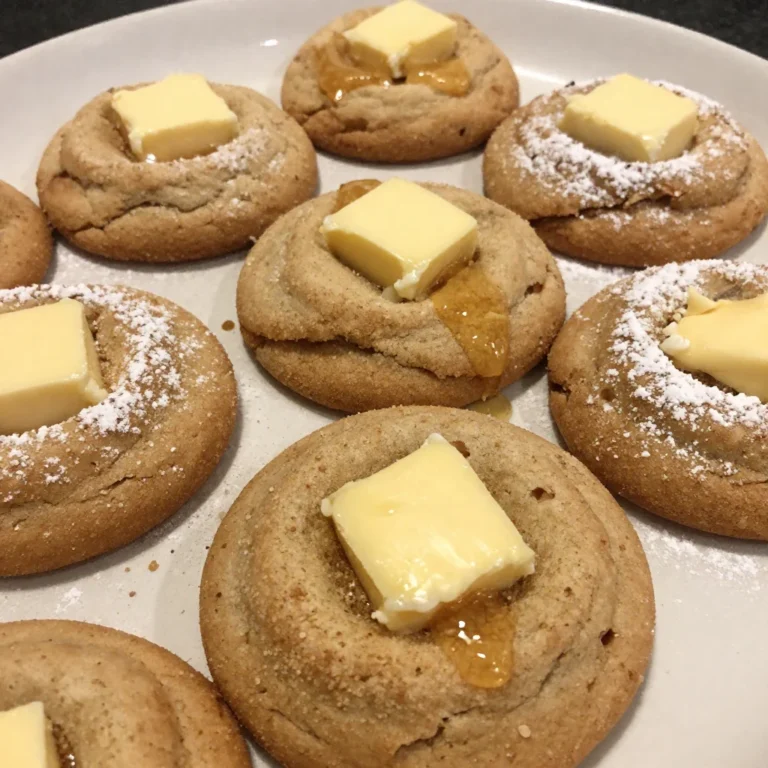
Pudding Cookies
I’ll never forget the first time I made pudding cookies in culinary school. My instructor handed me a box of instant pudding mix and challenged me to transform it into something extraordinary. At first, I thought he was joking—pudding in cookies?
But one bite changed everything. These pudding cookies came out impossibly soft, almost cake-like, with a flavor that was deeper and more complex than any standard cookie I’d made before. The pudding mix added moisture, richness, and a subtle creaminess that kept everyone coming back for more. Now, years later, pudding cookies remain one of my absolute favorite go-to recipes when I want something comforting, crowd-pleasing, and ridiculously easy to pull together.
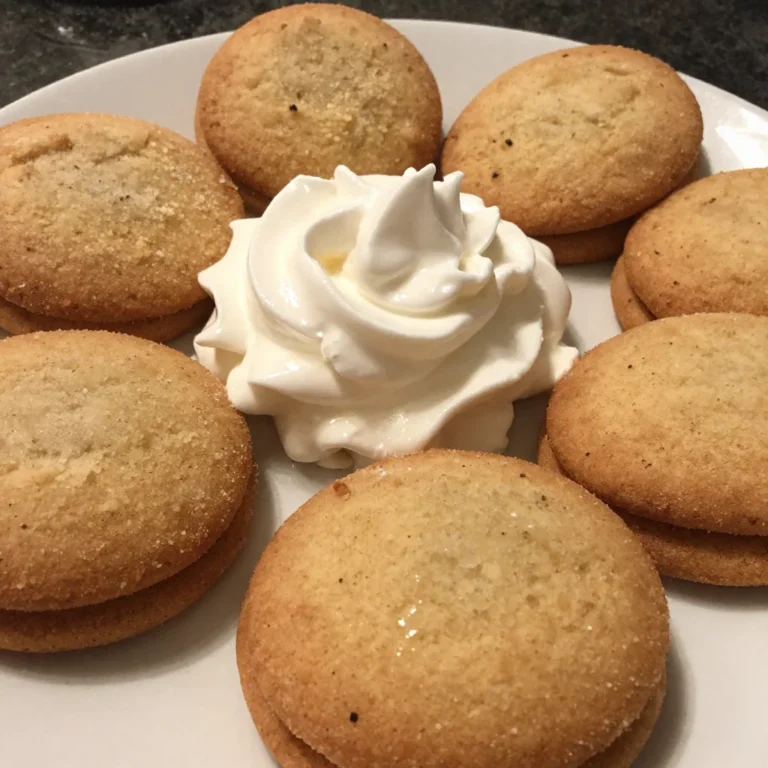
What makes pudding cookies so special is their texture. They stay soft for days, never drying out like traditional cookies sometimes do. The instant pudding mix works magic in the dough, creating a tender crumb that practically melts in your mouth.
Whether you’re a beginner baker or someone who makes cookies every week, pudding cookies will quickly become a staple in your recipe rotation. They’re forgiving, adaptable, and consistently delicious.
Why You’ll Love These Pudding Cookies
First and foremost, pudding cookies are incredibly easy to make. You don’t need any fancy equipment or advanced techniques. Just a mixing bowl, a wooden spoon, and about ten minutes of active prep time. The instant pudding mix does so much heavy lifting in terms of flavor and texture that you’ll feel like a baking genius without breaking a sweat.
Additionally, these cookies stay soft for an impressively long time. The pudding mix keeps them moist and tender, even after several days in an airtight container. I’ve had batches last nearly a week without losing their signature pillowy texture. That makes pudding cookies perfect for meal prep, gift-giving, or simply having a sweet treat ready whenever the craving hits.
Another reason to love pudding cookies is their versatility. You can customize them endlessly by swapping out pudding flavors, adding mix-ins like chocolate chips or nuts, or even drizzling them with icing. Chocolate pudding cookies taste like brownies in cookie form.
Vanilla pudding cookies offer a clean, classic sweetness. Butterscotch pudding cookies bring a rich, caramel-like depth. The possibilities are truly endless.
Finally, pudding cookies are always a hit at gatherings. I’ve brought them to potlucks, bake sales, and family dinners, and they disappear faster than anything else on the table. Kids love them.
Adults love them. They’re universally appealing and guaranteed to earn you compliments.
Ingredients You’ll Need
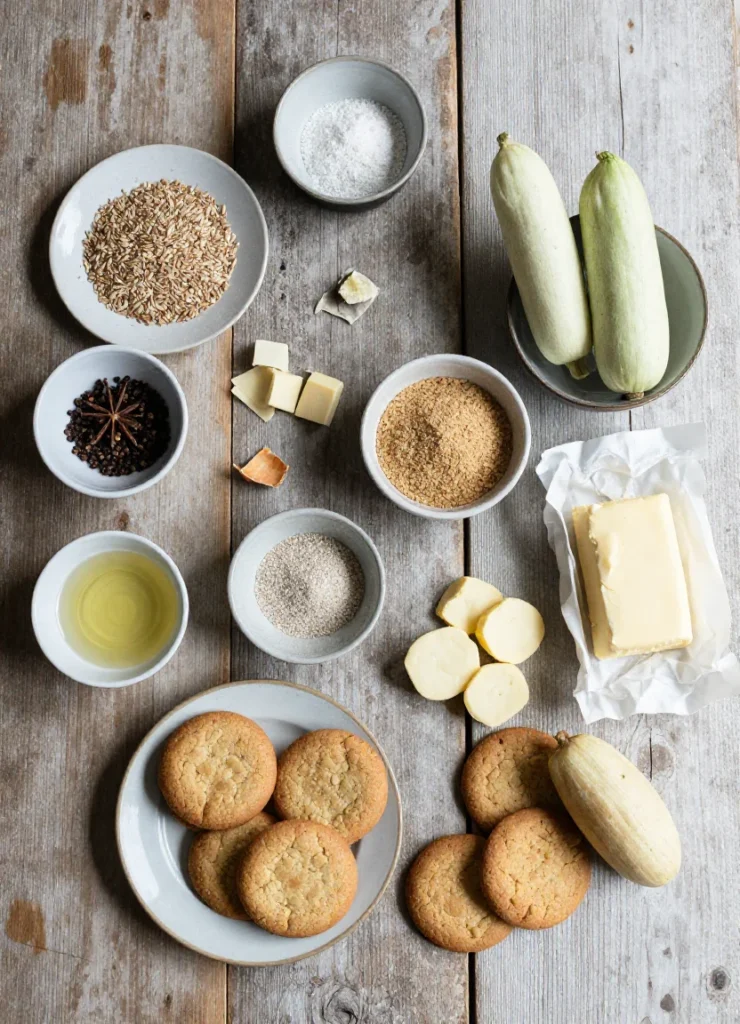
The ingredient list for pudding cookies is refreshingly short. You’ll find that most items are pantry staples you probably already have on hand. Here’s what you need:
| Ingredient | Amount |
|---|---|
| All-purpose flour | 2 ¼ cups |
| Baking soda | 1 teaspoon |
| Salt | ½ teaspoon |
| Unsalted butter, softened | 1 cup (2 sticks) |
| Granulated sugar | ½ cup |
| Brown sugar, packed | ½ cup |
| Instant pudding mix (3.4 oz box) | 1 box |
| Large eggs | 2 |
| Vanilla extract | 1 teaspoon |
| Semi-sweet chocolate chips | 2 cups |
The star ingredient here is obviously the instant pudding mix. Make sure you’re using instant pudding, not the cook-and-serve variety. The instant version contains different starches and thickeners that work perfectly in cookie dough. I typically use vanilla or chocolate pudding for my pudding cookies, but feel free to experiment with other flavors.
Room temperature butter is crucial for proper creaming. Cold butter won’t incorporate well with the sugars, and melted butter will change the texture entirely. Set your butter out about an hour before you plan to bake.
Substitutions & Variations
One of the best things about pudding cookies is how adaptable they are. If you want to make chocolate pudding cookies, simply use a chocolate instant pudding mix. The resulting cookies will be rich, fudgy, and intensely chocolatey. For a fun twist, try white chocolate pudding mix with dried cranberries mixed in.
You can also play with the mix-ins. Swap the chocolate chips for butterscotch chips, peanut butter chips, or chopped nuts. I love adding toasted pecans to butterscotch pudding cookies for a praline-like flavor. Dried fruit like cherries or raisins also works beautifully.
If you need to make these pudding cookies gluten-free, use a 1:1 gluten-free flour blend. I’ve had success with several brands, and the texture remains impressively soft. Just make sure your pudding mix is also gluten-free, as some brands contain additives derived from wheat.
For a dairy-free version, substitute vegan butter and use a dairy-free chocolate chip option. The pudding mix itself is often dairy-free in its dry form, but always check the label to be certain.
Step-by-Step Instructions
Making pudding cookies is straightforward and beginner-friendly. Follow these steps, and you’ll have perfect cookies every time.
Step 1: Preheat your oven to 350°F (175°C). Line two baking sheets with parchment paper or silicone baking mats. This prevents sticking and ensures even browning.
Step 2: In a medium bowl, whisk together the flour, baking soda, and salt. Set this aside. Whisking aerates the flour and distributes the leavening agent evenly throughout the dough.
Step 3: In a large mixing bowl, cream together the softened butter, granulated sugar, brown sugar, and instant pudding mix. Use a wooden spoon or an electric mixer on medium speed. Beat for about two to three minutes until the mixture looks light and fluffy. This creaming process incorporates air into the dough, which helps create a tender texture in your pudding cookies.
Step 4: Add the eggs one at a time, beating well after each addition. Then mix in the vanilla extract. The eggs bind everything together and add richness.
Step 5: Gradually add the flour mixture to the wet ingredients, stirring just until combined. Don’t overmix at this stage. Overmixing develops too much gluten, which can make your pudding cookies tough instead of tender.
Step 6: Fold in the chocolate chips using a spatula or wooden spoon. Make sure they’re evenly distributed throughout the dough.
Step 7: Drop rounded tablespoons of dough onto the prepared baking sheets, spacing them about two inches apart. The cookies will spread slightly as they bake, so give them room.
Step 8: Bake for 10 to 12 minutes, until the edges are set but the centers still look slightly underdone. This is key for achieving that signature soft texture in pudding cookies. They’ll continue cooking on the hot pan after you remove them from the oven.
Step 9: Let the cookies cool on the baking sheet for five minutes, then transfer them to a wire rack to cool completely. They’ll firm up as they cool but remain wonderfully soft inside.
Pro Tips for Success
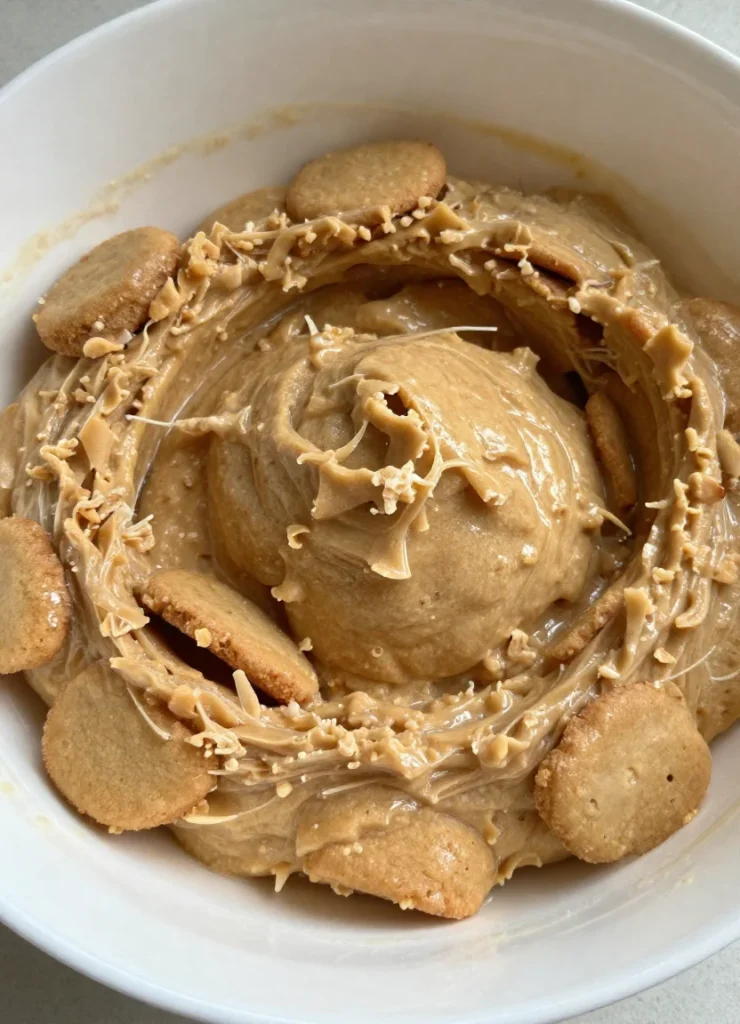
Here are my tested secrets for perfect pudding cookies every time. First, don’t skip the step of bringing your butter to room temperature. Cold butter creates a dense, uneven texture. Room temperature butter creams beautifully with the sugars and pudding mix.
Second, measure your flour correctly. I always spoon flour into my measuring cup and level it off with a knife. Scooping directly from the bag compacts the flour, giving you too much, which leads to dry, cakey cookies.
Third, underbake your pudding cookies slightly. They should look barely set in the middle when you pull them from the oven. Trust me on this.
They’ll finish cooking on the pan and end up perfectly soft. Overbaked pudding cookies lose that magical tender texture that makes them special.
Fourth, use good quality chocolate chips. Since chocolate is a prominent flavor here, it makes a noticeable difference. I prefer semi-sweet or dark chocolate chips, but milk chocolate works great too if you like sweeter cookies.
Finally, experiment with different pudding flavors. Once you master the basic technique for pudding cookies, try pistachio pudding with white chocolate chips, or lemon pudding with blueberries. The formula stays the same; only the flavor changes.
Storage & Reheating Tips
One of the greatest advantages of pudding cookies is how well they store. Keep them in an airtight container at room temperature for up to one week. They’ll stay soft and delicious the entire time, thanks to the moisture from the pudding mix.
If you want to extend their shelf life, freeze your pudding cookies. Place them in a freezer-safe container or bag with parchment paper between layers. They’ll keep for up to three months in the freezer. Thaw at room temperature for about 30 minutes before serving.
You can also freeze the cookie dough itself. Scoop the dough into balls, freeze them on a baking sheet until solid, then transfer to a freezer bag. When you want fresh pudding cookies, bake them straight from frozen, adding an extra minute or two to the baking time.
If you prefer your cookies warm, pop them in the microwave for about 10 seconds. This softens them even more and makes the chocolate chips gooey again. It’s like eating them fresh from the oven.
What to Serve With This Recipe
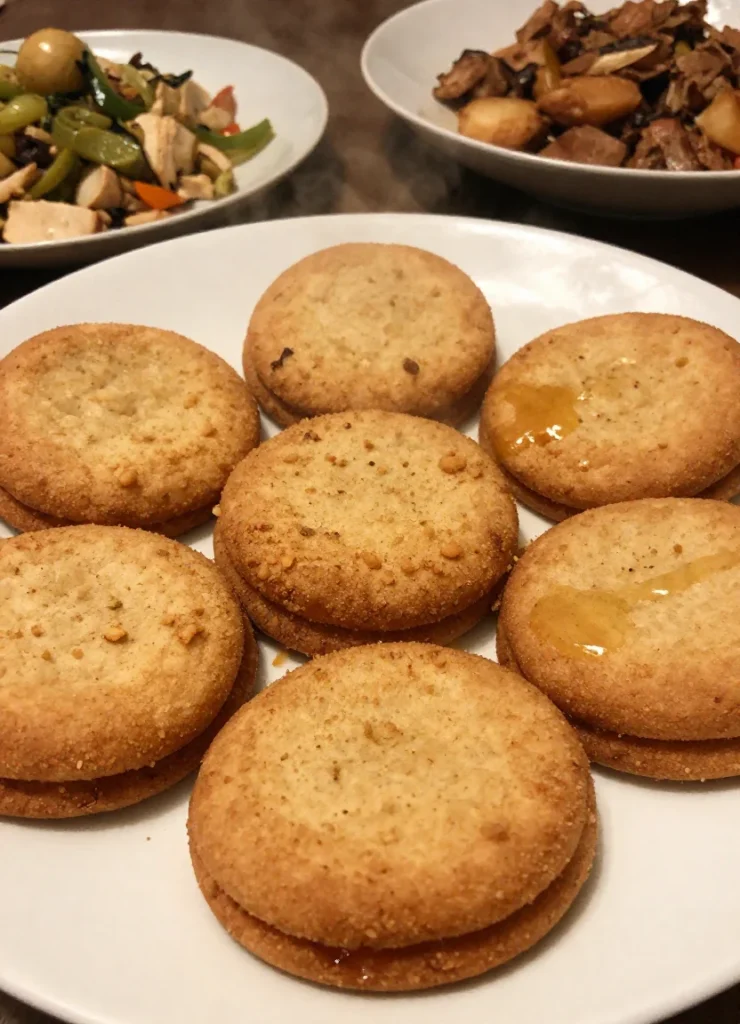
Pudding cookies pair wonderfully with cold milk, obviously. That’s a classic combination that never disappoints. The cookies’ sweetness balances perfectly with the creamy neutrality of milk.
They’re also excellent alongside coffee or tea. I love enjoying chocolate pudding cookies with a strong cup of black coffee in the afternoon. The bitterness of the coffee cuts through the sweetness beautifully.
For a more indulgent dessert, serve warm pudding cookies with a scoop of vanilla ice cream. The contrast between warm cookie and cold ice cream is absolutely delightful. You can even make ice cream sandwiches by pressing ice cream between two pudding cookies.
At parties, arrange pudding cookies on a platter with other desserts like brownies, bar cookies, or fruit tarts. They add variety to any dessert spread and always get rave reviews.
For a fun twist, crumble pudding cookies over yogurt parfaits or use them as a topping for pudding cups. The meta combination of pudding cookies with actual pudding might sound redundant, but it’s surprisingly delicious.
FAQs
Can I use cook-and-serve pudding instead of instant pudding?
No, you really need instant pudding mix for this recipe. Instant pudding contains specific starches and thickeners that work in the cookie dough. Cook-and-serve pudding has different ingredients that won’t provide the same texture or consistency in pudding cookies.
Why are my pudding cookies flat?
Flat pudding cookies usually result from butter that was too warm or melted. Make sure your butter is softened but not melted. Also, check that your baking soda is fresh.
Old leavening agents lose their effectiveness. Finally, chilling the dough for 30 minutes before baking can help cookies hold their shape better.
Can I make pudding cookies without eggs?
Yes, you can substitute each egg with a flax egg (1 tablespoon ground flaxseed mixed with 3 tablespoons water, left to sit for 5 minutes) or use a commercial egg replacer. The texture will be slightly different but still delicious. I’ve made vegan pudding cookies successfully using this method.
How do I make my pudding cookies thicker?
For thicker pudding cookies, chill your dough in the refrigerator for at least one hour before baking. Cold dough spreads less in the oven. You can also slightly increase the flour by two tablespoons, though this may make them a bit less tender.
What’s the best pudding flavor for pudding cookies?
That’s completely personal preference, but vanilla and chocolate are the most popular choices. Vanilla pudding cookies offer a classic, versatile base that pairs well with any mix-in. Chocolate pudding cookies taste rich and fudgy. I also love butterscotch, cheesecake, and pistachio flavors for something different.
Nutrition Information (per serving)
Based on a batch of 36 cookies:
| Nutrient | Amount |
|---|---|
| Calories | 145 |
| Total Fat | 7g |
| Saturated Fat | 4g |
| Cholesterol | 22mg |
| Sodium | 115mg |
| Total Carbohydrates | 20g |
| Dietary Fiber | 1g |
| Sugars | 12g |
| Protein | 2g |
Keep in mind that pudding cookies are a treat, not an everyday health food. That said, they’re no more indulgent than most homemade cookies, and the joy they bring is absolutely worth it. Making pudding cookies at home also means you control the quality of ingredients, which is always better than store-bought alternatives.
These pudding cookies have become one of my signature recipes over the years. They’re the cookies I bring to every gathering, the ones I make when I need to cheer someone up, and the ones I turn to when I want something sweet without spending hours in the kitchen. The secret ingredient—that box of instant pudding—transforms ordinary cookie dough into something truly special.
Once you try pudding cookies, you’ll understand why they’ve earned such a devoted following. They’re soft, flavorful, endlessly customizable, and impossible to resist. Happy baking!
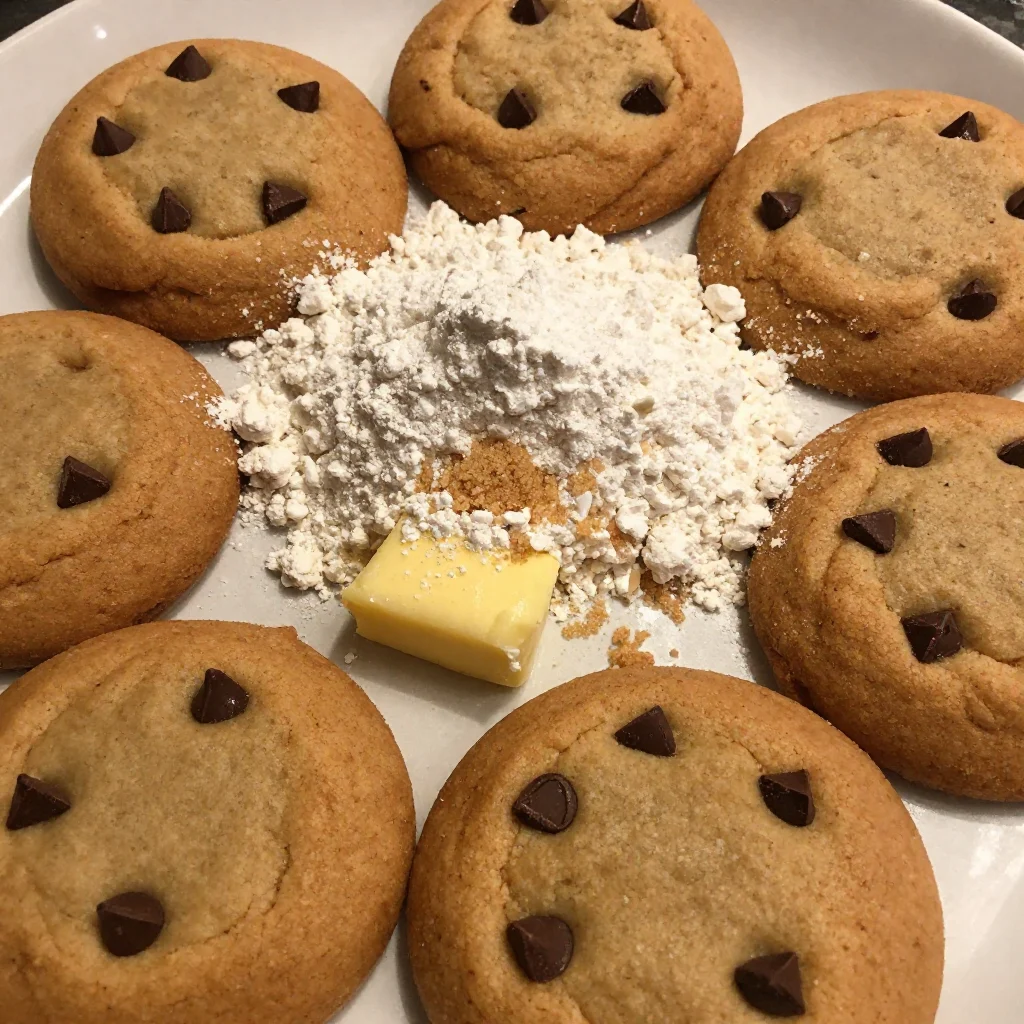
Pudding Cookies
Ingredients
Method
- Preheat your oven to 350°F (175°C). Line two baking sheets with parchment paper or silicone baking mats.
- In a medium bowl, whisk together the flour, baking soda, and salt. Set aside.
- In a large mixing bowl, cream together the softened butter, granulated sugar, brown sugar, and instant pudding mix until light and fluffy.
- Add the eggs one at a time, beating well after each addition, then mix in the vanilla extract.
- Gradually add the flour mixture to the wet ingredients, stirring just until combined.
- Fold in the chocolate chips until evenly distributed.
- Drop rounded tablespoons of dough onto the prepared baking sheets, spacing them about two inches apart.
- Bake for 10 to 12 minutes, until the edges are set but the centers still look slightly underdone.
- Let the cookies cool on the baking sheet for five minutes, then transfer them to a wire rack to cool completely.