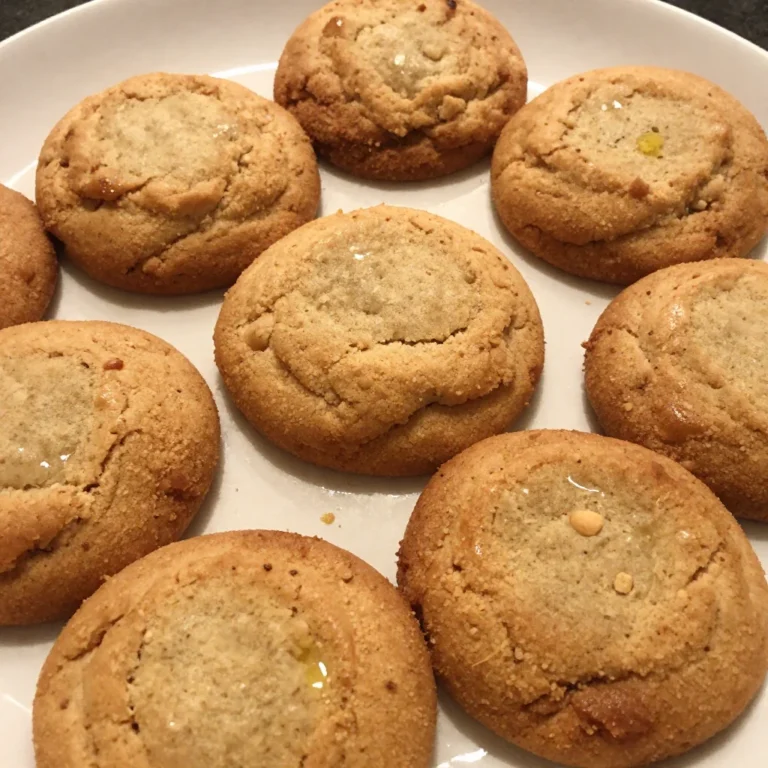
Italian Anisette Cookies
I’ll never forget the first time I tasted Italian Anisette Cookies at a neighbor’s holiday party years ago. They were piled high on a vintage glass platter, glossy with icing and dusted with colorful sprinkles. I reached for one, expecting just another sugar cookie, but that first bite stopped me cold.

The delicate licorice flavor, the pillowy-soft texture, and the sweet glaze were completely intoxicating. I went back for three more before the night was over. Since then, Italian Anisette Cookies have become one of my most requested recipes, especially during the holidays.
These traditional Italian cookies deliver that distinctive anise flavor paired with an incredibly tender crumb that practically melts on your tongue. They’re surprisingly easy to make at home, and once you master the simple technique, you’ll find yourself baking batch after batch for family, friends, and anyone lucky enough to cross your kitchen threshold.
Why You’ll Love These Italian Anisette Cookies
Italian Anisette Cookies stand out from every other cookie in your repertoire for several compelling reasons. First, the flavor profile is utterly unique. That gentle anise note makes these cookies feel special and sophisticated without being overwhelming. Even people who think they don’t like licorice often fall hard for these cookies because the anise is balanced beautifully with vanilla and citrus.
Beyond flavor, the texture sets Italian Anisette Cookies apart. They’re impossibly soft and cakey, almost like a cross between a cookie and a small cake. They never turn hard or crunchy, even days after baking. This makes them perfect for shipping to loved ones or storing for extended holiday celebrations.
Additionally, these cookies are incredibly versatile. You can dress them up with different colored icings and sprinkles for any occasion. I’ve made pink ones for baby showers, pastel versions for Easter, and classic white with red and green sprinkles for Christmas. The base recipe stays the same, but the presentation adapts beautifully.
Finally, Italian Anisette Cookies freeze exceptionally well. You can make them weeks in advance, which takes tremendous pressure off your holiday baking schedule. Trust me, your future self will thank you when you pull a container of these beauties from the freezer on a busy December afternoon.
Ingredients You’ll Need
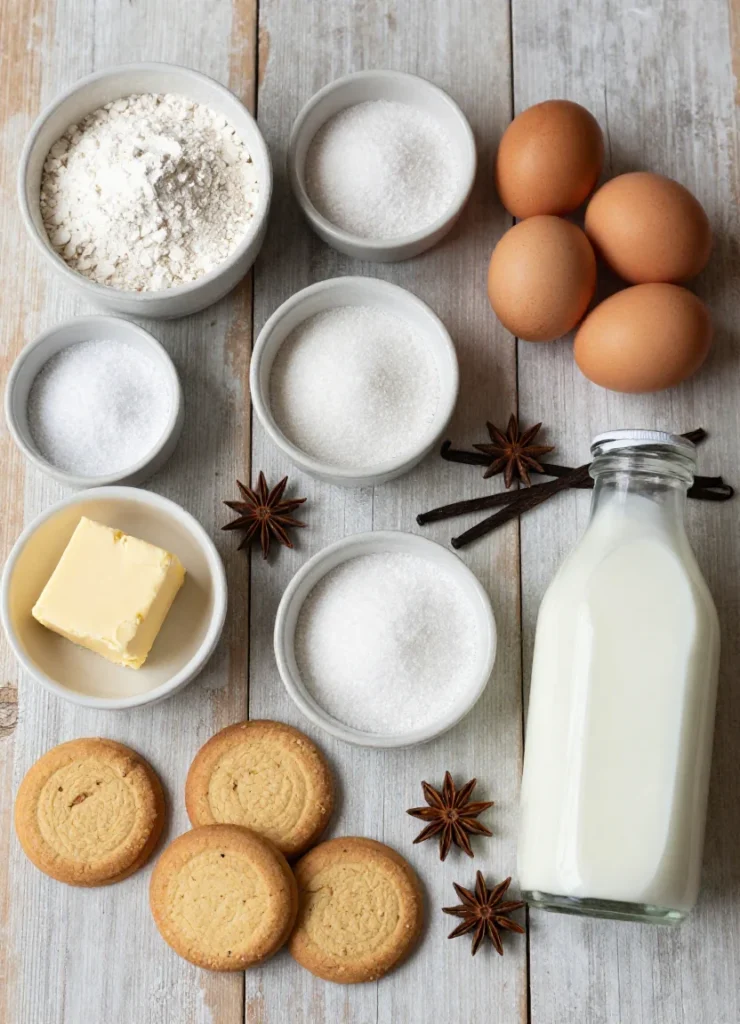
The ingredient list for Italian Anisette Cookies is refreshingly straightforward. You probably have most items in your pantry already. Here’s what you’ll need to create approximately four dozen cookies:
| Ingredient | Quantity |
|---|---|
| All-purpose flour | 4 cups |
| Baking powder | 5 teaspoons |
| Salt | 1/2 teaspoon |
| Unsalted butter, softened | 1 cup (2 sticks) |
| Granulated sugar | 1 1/2 cups |
| Large eggs | 4 |
| Anise extract | 2 tablespoons |
| Vanilla extract | 1 teaspoon |
| Whole milk | 1/4 cup |
| Powdered sugar (for glaze) | 3 cups |
| Milk (for glaze) | 1/4 to 1/3 cup |
| Additional anise extract (for glaze) | 1 teaspoon |
| Sprinkles or nonpareils | As desired |
The star ingredient here is obviously the anise extract. It gives Italian Anisette Cookies their signature flavor. Don’t skimp on quality here. I recommend using pure anise extract rather than imitation for the best results.
Substitutions & Variations
While traditional Italian Anisette Cookies follow a fairly standard formula, you have room for creativity. If you can’t find anise extract, you can substitute anisette liqueur. Use about three tablespoons in the dough and reduce the milk slightly to compensate for the extra liquid. The flavor will be similar, though perhaps slightly more subtle.
For a citrus twist, add the zest of one lemon or orange to the dough. The bright citrus notes complement the anise beautifully and add another layer of complexity. I particularly love lemon zest in springtime versions of Italian Anisette Cookies.
You can also experiment with different glaze flavors. Try almond extract instead of anise in the icing for a completely different profile. Or add a tablespoon of espresso powder to create a coffee-flavored glaze that pairs wonderfully with the anise base.
Some bakers prefer their Italian Anisette Cookies with a thinner glaze that sets to a sheer finish. Others like a thicker coating that stays slightly soft. Adjust the milk in your glaze to achieve your preferred consistency. Start with less liquid and add more gradually until you reach the texture you want.
Step-by-Step Instructions
Making Italian Anisette Cookies is a straightforward process, but following the steps carefully ensures perfect results every time. Let me walk you through the process I’ve refined over countless batches.
Step 1: Preheat your oven to 350°F. Line several baking sheets with parchment paper. This prevents sticking and makes cleanup effortless.
Step 2: Whisk together the flour, baking powder, and salt in a medium bowl. Set this aside while you work on the wet ingredients.
Step 3: In a large mixing bowl, cream the softened butter and sugar together until light and fluffy. This takes about three to four minutes with an electric mixer. Don’t rush this step. Proper creaming creates the tender texture that makes Italian Anisette Cookies so special.
Step 4: Add the eggs one at a time, beating well after each addition. Then mix in the anise extract and vanilla extract. The mixture should look smooth and creamy.
Step 5: Add the flour mixture to the butter mixture in three additions, alternating with the milk. Start and end with the flour. Mix just until combined after each addition. Overmixing develops gluten and creates tough cookies, so use a light hand here.
Step 6: Drop rounded tablespoons of dough onto your prepared baking sheets, spacing them about two inches apart. The cookies will spread slightly but not dramatically. I find that a medium cookie scoop works perfectly for consistent sizing.
Step 7: Bake for 10 to 12 minutes, until the bottoms are lightly golden but the tops remain pale. Italian Anisette Cookies should never brown on top. They’ll look slightly underdone, but they’ll firm up as they cool.
Step 8: Let the cookies cool on the baking sheet for two minutes, then transfer them to a wire rack to cool completely before glazing.
Step 9: While the cookies cool, prepare your glaze. Whisk together the powdered sugar, milk, and anise extract until smooth. The glaze should be thick enough to coat the back of a spoon but still flow easily.
Step 10: Dip the top of each cooled cookie into the glaze, letting excess drip off. Place cookies back on the wire rack and immediately add sprinkles before the glaze sets. Let the glaze harden completely, about 30 minutes, before serving or storing.
Pro Tips for Success
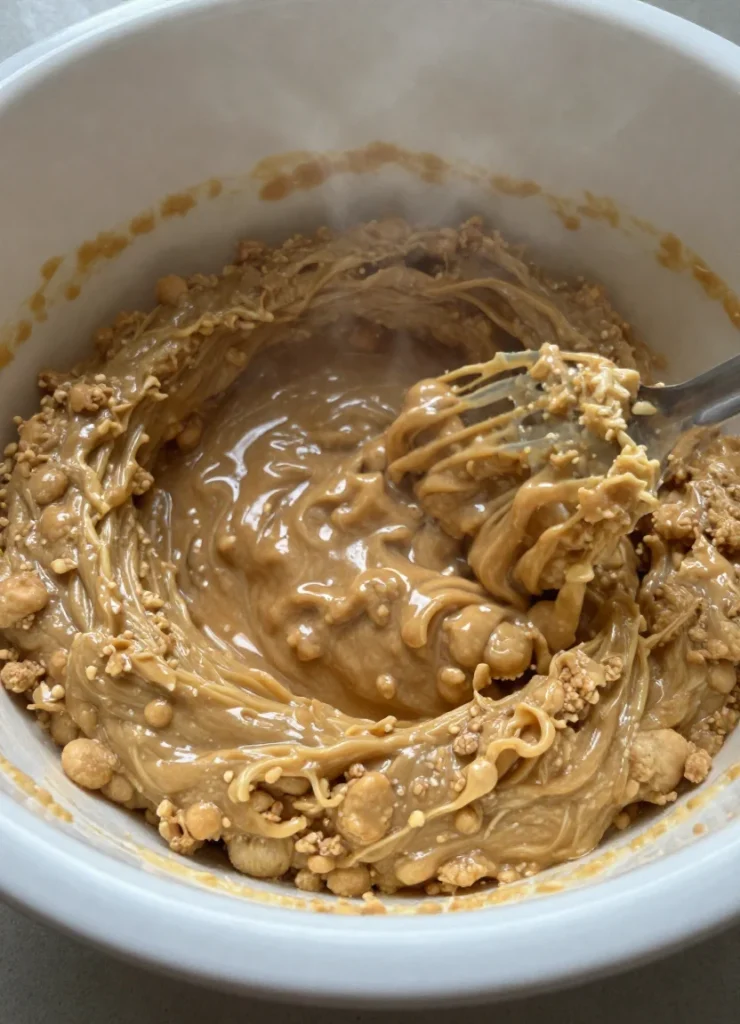
After making Italian Anisette Cookies hundreds of times, I’ve learned several tricks that guarantee success. First, make sure your butter is properly softened, not melted. It should hold a fingerprint but not feel greasy. Butter that’s too soft or melted creates flat, greasy cookies.
Second, resist the urge to overbake. These cookies should remain very pale on top. They continue cooking slightly on the hot baking sheet after you remove them from the oven. When in doubt, underbake slightly rather than overbake.
Third, let the cookies cool completely before glazing. If they’re even slightly warm, the glaze will melt and slide right off instead of setting into that beautiful, glossy finish that makes Italian Anisette Cookies so visually appealing.
Furthermore, work quickly when adding sprinkles. The glaze sets surprisingly fast, and sprinkles won’t stick once it begins to dry. I like to glaze four or five cookies, add sprinkles to those, then glaze the next batch.
Finally, don’t worry if your first batch doesn’t look perfect. Like any recipe, Italian Anisette Cookies improve with practice. My early attempts were oddly shaped and unevenly glazed, but they still tasted incredible. Focus on flavor first, and the appearance will improve naturally as you gain confidence.
Storage & Reheating Tips
One of the many advantages of Italian Anisette Cookies is their excellent keeping quality. Once the glaze has set completely, store the cookies in an airtight container at room temperature. They’ll stay soft and fresh for up to one week, though in my experience, they rarely last that long.
For longer storage, Italian Anisette Cookies freeze beautifully. Layer them between sheets of parchment paper in an airtight container and freeze for up to three months. Thaw at room temperature for about an hour before serving. The texture and flavor remain virtually unchanged.
You can also freeze the unglazed cookies and add the glaze after thawing. This gives you maximum flexibility for decorating them closer to your event. Simply thaw the cookies, prepare fresh glaze, and decorate as desired.
Interestingly, Italian Anisette Cookies don’t require reheating. They’re meant to be enjoyed at room temperature, which makes them perfect for cookie trays, bake sales, and gifts. The soft texture remains consistent whether they’ve been stored for an hour or several days.
What to Serve With This Recipe
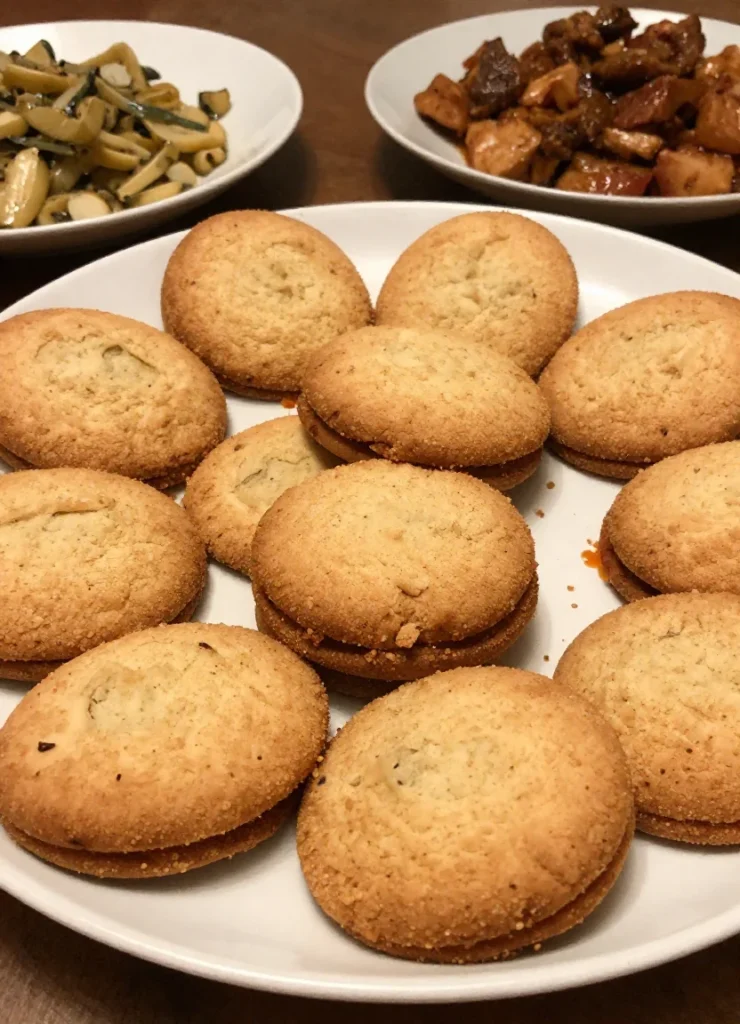
Italian Anisette Cookies pair beautifully with hot beverages. I love serving them alongside strong espresso or cappuccino for an authentic Italian coffee break. The sweetness of the cookies balances the bitter edge of the coffee perfectly.
These cookies also shine on holiday dessert platters. Arrange Italian Anisette Cookies with pizzelles, biscotti, and rainbow cookies for a stunning Italian cookie display. The variety of textures and flavors creates an impressive spread that guests always appreciate.
For a more substantial pairing, serve Italian Anisette Cookies after a light dinner of grilled fish or roasted chicken. Their delicate sweetness provides a perfect finish without overwhelming your palate after a savory meal.
Additionally, consider pairing these cookies with sweet dessert wines like Vin Santo or Moscato d’Asti. The anise flavor complements the wine’s sweetness beautifully, creating an elegant end to any dinner party.
FAQs
Can I make Italian Anisette Cookies without anise extract?
While anise extract defines the traditional flavor of Italian Anisette Cookies, you can substitute other extracts if necessary. Almond extract creates a different but equally delicious cookie. You could also use vanilla extract exclusively for a milder flavor profile. However, the cookies won’t taste authentically Italian without that signature anise note.
Why did my Italian Anisette Cookies turn out hard?
Hard Italian Anisette Cookies usually result from overbaking or overmixing the dough. Make sure you’re baking them just until the bottoms are lightly golden while the tops remain pale. Also, mix the dough only until the ingredients combine. Overmixing develops gluten, which creates a tougher texture.
How do I get the glaze to stay on my cookies?
The key to glaze that stays put is ensuring your Italian Anisette Cookies are completely cool before glazing. Warm cookies will cause the glaze to melt and slide off. Also, make sure your glaze has the right consistency—thick enough to coat but thin enough to flow.
If it’s too thin, add more powdered sugar. If it’s too thick, add milk one teaspoon at a time.
Can I use salted butter instead of unsalted?
You can use salted butter for Italian Anisette Cookies, but you’ll need to reduce or omit the additional salt in the recipe. I prefer unsalted butter because it gives me better control over the final flavor. Salted butter varies in salt content by brand, which can affect your results.
How far in advance can I make Italian Anisette Cookies?
You can make Italian Anisette Cookies up to one week in advance if stored properly at room temperature, or up to three months in advance if frozen. Many bakers actually prefer making them several days ahead because the flavors meld and deepen slightly as the cookies sit. This makes them perfect for stress-free holiday baking.
Nutrition Information (per serving)
| Calories | 145 |
| Total Fat | 5g |
| Saturated Fat | 3g |
| Cholesterol | 25mg |
| Sodium | 95mg |
| Total Carbohydrates | 24g |
| Dietary Fiber | 0g |
| Sugars | 16g |
| Protein | 2g |
This nutrition information is based on one cookie from a batch of 48 Italian Anisette Cookies. Keep in mind that values may vary depending on specific ingredients used and cookie size.

Italian Anisette Cookies
Ingredients
Method
- Preheat your oven to 350°F. Line several baking sheets with parchment paper.
- Whisk together the flour, baking powder, and salt in a medium bowl. Set aside.
- In a large mixing bowl, cream the softened butter and sugar together until light and fluffy.
- Add the eggs one at a time, beating well after each addition. Mix in the anise extract and vanilla extract.
- Add the flour mixture to the butter mixture in three additions, alternating with the milk. Mix just until combined.
- Drop rounded tablespoons of dough onto prepared baking sheets, spacing them about two inches apart.
- Bake for 10 to 12 minutes, until the bottoms are lightly golden but the tops remain pale.
- Let the cookies cool on the baking sheet for two minutes, then transfer them to a wire rack to cool completely.
- Prepare the glaze by whisking together the powdered sugar, milk, and anise extract until smooth.
- Dip the top of each cooled cookie into the glaze, letting excess drip off. Add sprinkles before the glaze sets.