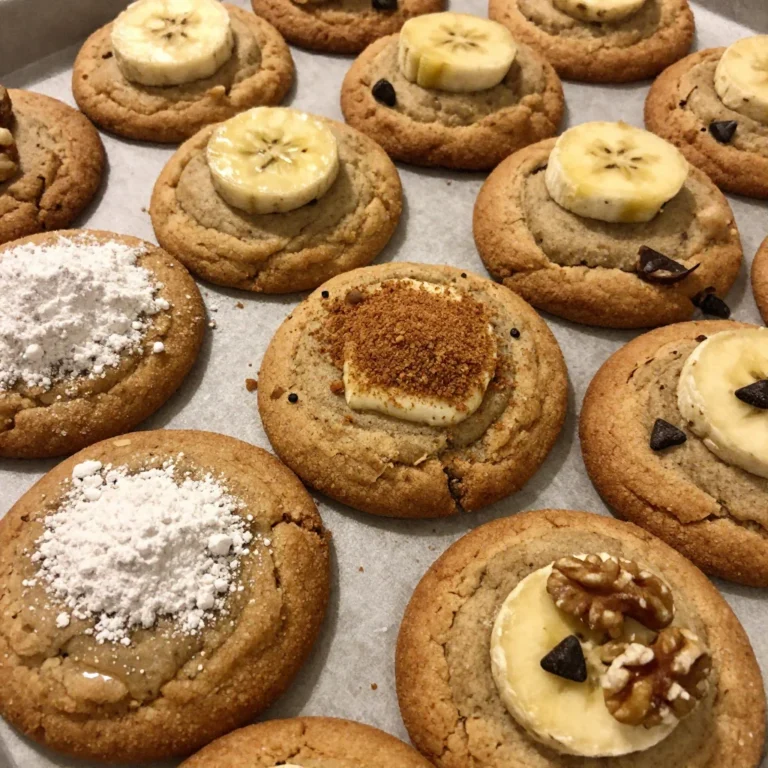
Bizcotte Classico Cake
I’ll never forget the first time I pulled a Bizcotte Classico Cake from the oven. My oldest brother had just returned from a trip to Italy, raving about these rustic, golden cakes he’d seen in every bakery window. He described them as something between a biscuit and a cake—crisp on the outside, tender within, perfect for dunking in coffee or enjoying on their own.
Naturally, I had to recreate it. After a few trials (and one slightly burnt batch), I nailed the balance. Now, this Bizcotte Classico Cake has become my go-to recipe when I want something comforting, not too sweet, and utterly satisfying. It’s the kind of cake that makes your kitchen smell like a European bakery, and honestly, that’s reason enough to bake it.
This Bizcotte Classico Cake brings together simple pantry ingredients to create something truly special. The texture strikes that beautiful balance between a soft cake crumb and a lightly crisp exterior. You get a hint of citrus, a whisper of vanilla, and just enough sweetness to make every bite feel like a treat without overwhelming your palate.
I love how versatile this cake is—it works beautifully for breakfast, as an afternoon snack, or even as a light dessert. Plus, it keeps incredibly well, which means you can bake it once and enjoy it all week long.
Why You’ll Love This Bizcotte Classico Cake Recipe
This recipe delivers consistent results every single time. I’ve tested it countless times, tweaking ratios and techniques until I found the perfect formula. The Bizcotte Classico Cake doesn’t require fancy equipment or hard-to-find ingredients.
You probably have everything in your pantry right now. It’s forgiving enough for beginners but refined enough that experienced bakers will appreciate the texture and flavor.
The crumb is tender yet sturdy—ideal for slicing thin and toasting, just like traditional Italian biscotti cakes. However, unlike dense biscotti, this Bizcotte Classico Cake maintains a softer interior. The edges develop a gorgeous golden crust that adds textural contrast.
I particularly love how the citrus notes brighten the entire cake without making it taste overtly lemony. It’s subtle, sophisticated, and completely satisfying.
Another reason you’ll love this recipe? It scales beautifully. Whether you’re baking for two or preparing multiple loaves for a gathering, the Bizcotte Classico Cake adapts effortlessly.
The mixing method is straightforward—no complicated folding or tempering. You simply combine, pour, and bake. Even on your busiest days, this cake feels achievable.
Ingredients You’ll Need
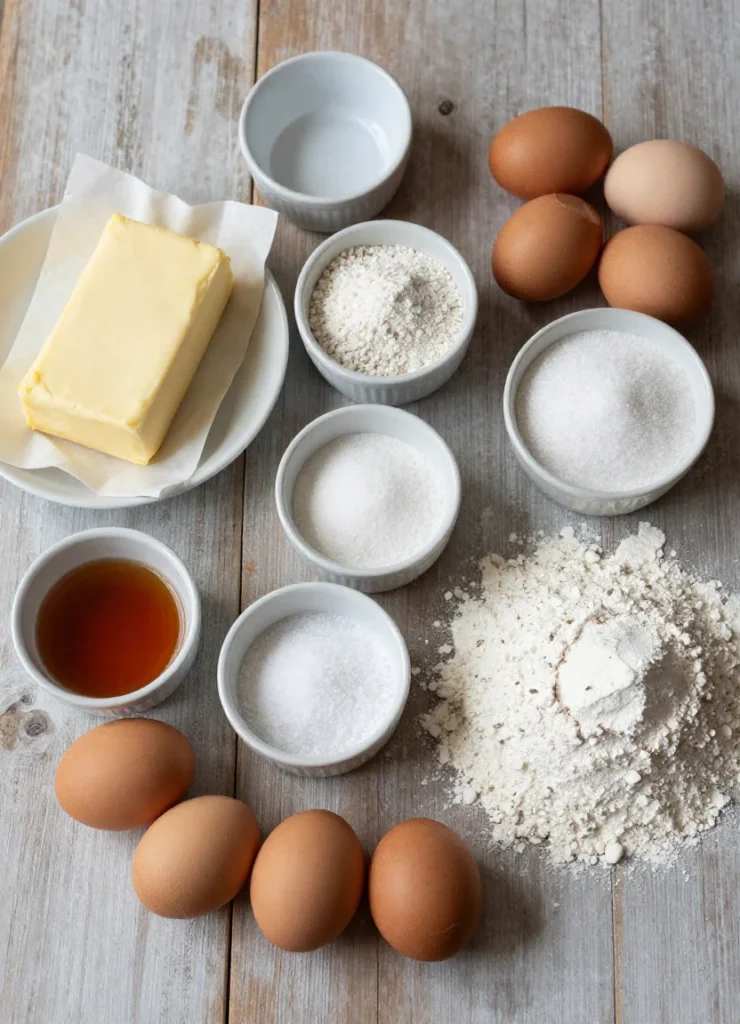
The beauty of this Bizcotte Classico Cake lies in its simplicity. Each ingredient plays a specific role in creating that signature texture and flavor. I’ve broken down everything you need, along with some quick notes on why each component matters.
| Ingredient | Quantity | Notes |
|---|---|---|
| All-purpose flour | 2 cups | Forms the structure; don’t overmix |
| Granulated sugar | ¾ cup | Provides sweetness and helps with browning |
| Eggs | 3 large | Room temperature works best |
| Whole milk | ½ cup | Adds moisture and tenderness |
| Unsalted butter | ½ cup (melted) | Creates richness and flavor |
| Baking powder | 2 teaspoons | Ensures proper rise |
| Vanilla extract | 2 teaspoons | Adds depth and warmth |
| Lemon zest | 1 tablespoon | Brightens the overall flavor |
| Salt | ½ teaspoon | Balances sweetness |
The quality of your ingredients directly impacts your Bizcotte Classico Cake. I always use fresh baking powder—check the expiration date. Old leavening agents won’t give you that beautiful rise.
Fresh lemon zest makes a noticeable difference too. Use a microplane to avoid the bitter white pith.
Substitutions & Variations
This Bizcotte Classico Cake adapts well to different preferences and dietary needs. For a dairy-free version, swap the milk for almond or oat milk, and use melted coconut oil instead of butter. The texture shifts slightly, but it still works beautifully.
If you prefer orange to lemon, substitute orange zest in equal amounts. The cake takes on a wonderful, sunny flavor.
Want to add texture? Fold in ½ cup of slivered almonds or chopped hazelnuts before baking. This creates a more rustic Bizcotte Classico Cake with delightful crunch.
For a chocolate variation, reduce the flour by ¼ cup and add ¼ cup of cocoa powder. You’ll get a gorgeous marbled effect if you swirl the cocoa batter into the plain batter.
Some bakers like adding a tablespoon of anise seeds for a traditional Italian touch. Others prefer keeping it simple. I’ve made this Bizcotte Classico Cake dozens of ways, and each version has its charm. Start with the classic recipe, then experiment based on what you love.
Step-by-Step Instructions
Making this Bizcotte Classico Cake involves straightforward steps that lead to impressive results. I’ll walk you through each stage with the same guidance I’d give someone standing in my kitchen.
Step 1: Prepare Your Pan and Oven
Preheat your oven to 350°F (175°C). Grease a 9×5-inch loaf pan thoroughly with butter, then dust it lightly with flour. This prevents sticking and ensures your Bizcotte Classico Cake releases cleanly. Tap out any excess flour.
Step 2: Mix Dry Ingredients
In a medium bowl, whisk together the flour, baking powder, and salt. This distributes the leavening evenly throughout your cake. Set this bowl aside while you work on the wet ingredients.
Step 3: Combine Wet Ingredients
In a large bowl, whisk the eggs and sugar together for about two minutes. You want the mixture to become slightly pale and thickened. Add the melted butter, milk, vanilla extract, and lemon zest.
Whisk until everything combines smoothly. This base creates the tender crumb in your Bizcotte Classico Cake.
Step 4: Bring It Together
Pour the dry ingredients into the wet mixture. Using a rubber spatula, fold gently until just combined. You’ll still see a few small flour streaks—that’s perfect.
Overmixing develops gluten, which makes your cake tough rather than tender. The batter should look thick but pourable.
Step 5: Bake
Pour the batter into your prepared pan and smooth the top with your spatula. Bake for 45-50 minutes, until a toothpick inserted into the center comes out clean or with just a few moist crumbs. The top of your Bizcotte Classico Cake should turn a beautiful golden brown.
Step 6: Cool Properly
Let the cake cool in the pan for 15 minutes. This resting period helps it set properly. Then turn it out onto a wire rack to cool completely. Resist the urge to slice it while warm—the texture improves dramatically as it cools.
Pro Tips for Success
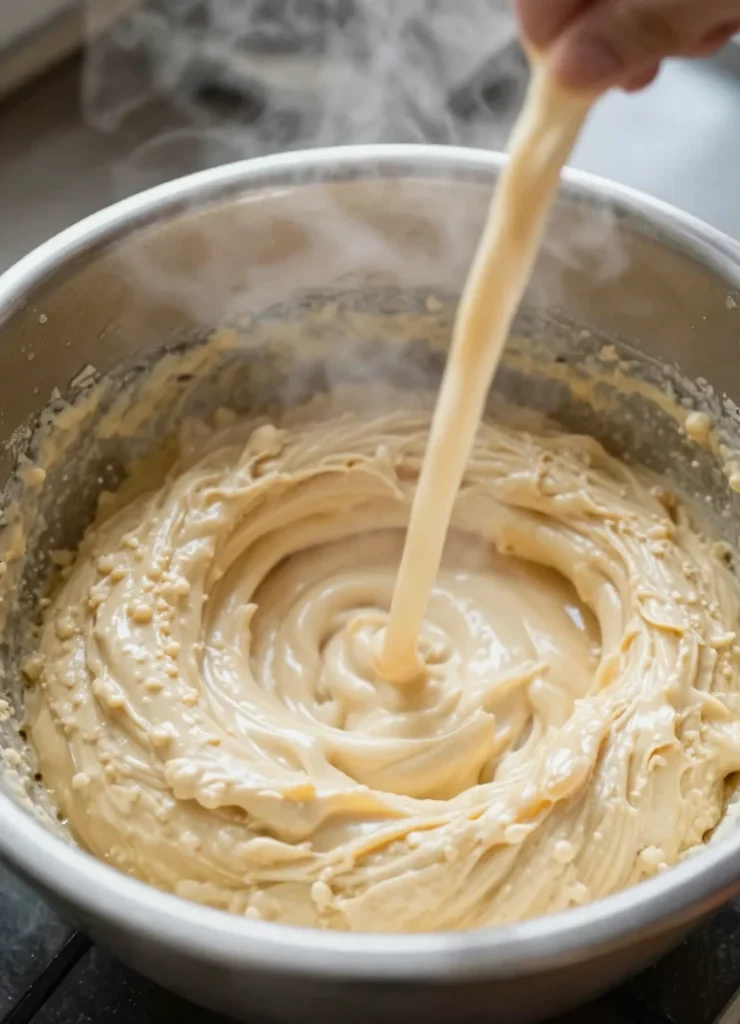
After making this Bizcotte Classico Cake countless times, I’ve learned a few tricks that elevate the final result. First, always bring your eggs and milk to room temperature before mixing. Cold ingredients don’t emulsify as well, which can create a denser cake. I set mine out about 30 minutes before I start baking.
Don’t skip the lemon zest. It truly makes this Bizcotte Classico Cake shine. The oils in the zest release incredible aroma and flavor that you simply can’t replicate with lemon juice alone. Zest your lemon directly over the wet ingredients to catch all those precious oils.
When melting butter, let it cool slightly before adding it to your eggs. If it’s too hot, you’ll scramble the eggs. I usually melt mine, then set it aside while I prepare other ingredients. By the time I need it, the temperature is perfect.
For an extra-crispy exterior on your Bizcotte Classico Cake, brush the top with a simple syrup made from equal parts sugar and water after baking. This creates a subtle glaze that hardens into a delicate, crackly top. It’s optional but delightful.
Finally, use the toothpick test, but don’t overbake. The cake continues cooking slightly as it cools. If your toothpick comes out completely clean, you might have gone a minute or two too long. A few moist crumbs signal perfection.
Storage & Reheating Tips
This Bizcotte Classico Cake actually improves after a day or two. The flavors meld, and the texture becomes even more refined. Store it wrapped tightly in plastic wrap at room temperature for up to five days. The cake stays moist without becoming soggy.
For longer storage, freeze individual slices wrapped in plastic wrap, then placed in a freezer bag. Your Bizcotte Classico Cake keeps beautifully in the freezer for up to three months. Thaw slices at room temperature for about 30 minutes, or toast them directly from frozen.
I don’t typically reheat the entire cake, but toasting individual slices brings new life to the Bizcotte Classico Cake. Pop slices in a toaster or under the broiler for just a minute or two. The edges crisp up beautifully while the interior stays tender. Spread with butter or jam for an incredible breakfast treat.
What to Serve With This Recipe
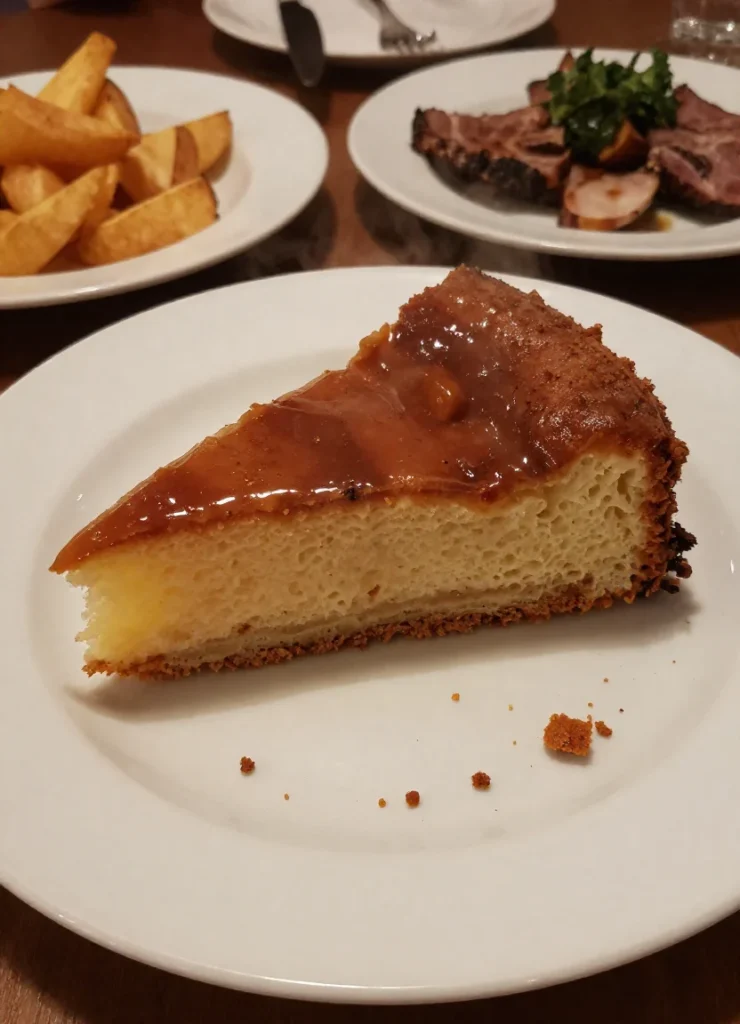
The Bizcotte Classico Cake shines in so many serving scenarios. For breakfast, I love pairing thick slices with strong coffee or cappuccino. The slightly dry texture makes it perfect for dunking—a traditional Italian way to enjoy these cakes. Add fresh berries and a dollop of Greek yogurt for a more substantial morning meal.
At afternoon tea, serve thin slices of your Bizcotte Classico Cake alongside soft cheeses like mascarpone or ricotta. A drizzle of honey over the cheese creates a sweet-savory combination that’s absolutely divine. Fresh figs or sliced pears make elegant additions.
For dessert, toast slices and top them with vanilla gelato or lemon sorbet. The warm cake melts the cold ice cream slightly, creating incredible texture contrast. A dusting of powdered sugar and a few fresh mint leaves make it look restaurant-worthy.
I’ve also served this Bizcotte Classico Cake at brunches with scrambled eggs and crispy bacon. The slight sweetness complements savory dishes surprisingly well. It’s versatile enough to work in almost any context.
FAQs
Can I make Bizcotte Classico Cake without eggs?
Yes, though the texture will change slightly. Replace each egg with ¼ cup of unsweetened applesauce or a commercial egg replacer. The cake won’t rise quite as high, but it will still taste delicious. I’ve successfully made egg-free versions for friends with allergies.
Why is my Bizcotte Classico Cake dense?
Overmixing is the most common culprit. Once you add flour to wet ingredients, mix only until just combined. Also check that your baking powder is fresh. Old leavening agents won’t create the proper rise, resulting in a dense cake.
Can I add chocolate chips to this recipe?
Absolutely! Fold in ½ to ¾ cup of chocolate chips at the end of mixing. They add pockets of melty chocolate throughout your Bizcotte Classico Cake. Just be aware that chocolate chips add weight, so your cake might not rise quite as high.
How do I know when my Bizcotte Classico Cake is done?
Insert a toothpick into the center of the cake. It should come out with just a few moist crumbs attached—not wet batter. The top should be golden brown and spring back lightly when touched. Internal temperature should reach about 200°F if you use a thermometer.
Can I double this Bizcotte Classico Cake recipe?
Yes! Double all ingredients and use two loaf pans. Baking time remains roughly the same, though you should start checking at the 45-minute mark.
Make sure both pans have enough space in your oven for proper air circulation. I often make multiple loaves to share with friends.
Nutrition Information (per serving)
Based on 10 slices per Bizcotte Classico Cake:
| Nutrient | Amount |
|---|---|
| Calories | 245 |
| Total Fat | 11g |
| Saturated Fat | 6g |
| Cholesterol | 75mg |
| Sodium | 185mg |
| Total Carbohydrates | 33g |
| Dietary Fiber | 1g |
| Sugars | 16g |
| Protein | 5g |
This Bizcotte Classico Cake provides a moderate amount of calories per serving, making it a reasonable treat when enjoyed as part of a balanced diet. The recipe contains whole eggs and butter, which contribute healthy fats and protein. While not a low-sugar option, it’s less sweet than many traditional cakes, letting you enjoy a satisfying slice without overwhelming sweetness.
Every time I bake this Bizcotte Classico Cake, I’m reminded why simple recipes often become the most beloved. It doesn’t rely on complicated techniques or exotic ingredients. Instead, it celebrates the beauty of balanced flavors and perfect texture.
Whether you’re an experienced baker or just starting your journey, this cake will reward you with consistent, delicious results. Give it a try, and I’m confident it’ll become a staple in your baking rotation, just as it has in mine.
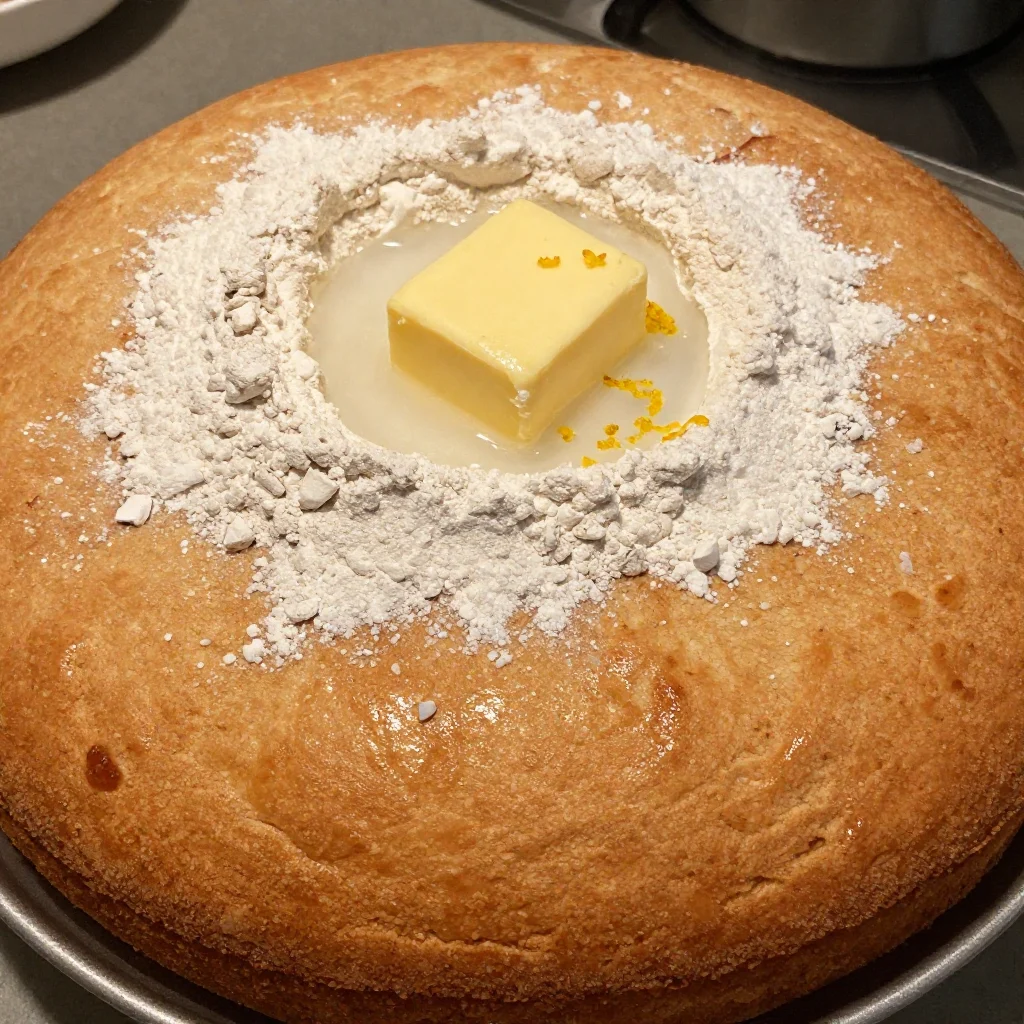
Bizcotte Classico Cake
Ingredients
Method
- Preheat your oven to 350°F (175°C). Grease a 9x5-inch loaf pan thoroughly with butter, then dust it lightly with flour.
- In a medium bowl, whisk together the flour, baking powder, and salt. Set aside.
- In a large bowl, whisk the eggs and sugar together for about two minutes until slightly pale and thickened. Add the melted butter, milk, vanilla extract, and lemon zest, whisking until smooth.
- Pour the dry ingredients into the wet mixture and fold gently until just combined.
- Pour the batter into the prepared pan and smooth the top. Bake for 45-50 minutes until a toothpick inserted into the center comes out clean.
- Let the cake cool in the pan for 15 minutes, then turn it out onto a wire rack to cool completely.