Japanese Castella Cake
I’ll never forget the first time Theodore brought a Japanese Castella Cake back from a trip to San Francisco’s Japantown. He sliced it at our kitchen table, and we all just stared. The texture was unlike anything we’d seen—impossibly soft, almost bouncy, with a golden top that looked caramelized to perfection.
When I finally tasted it, I understood why this cake has captivated people for centuries. It practically melted on my tongue, sweet but not cloying, with a delicate honey flavor that lingered beautifully. Since that day, I’ve made Japanese Castella Cake at least fifty times, tweaking the technique until I could reliably recreate that cloud-like texture in my own kitchen.
Now, James uses it as his go-to dessert when he wants to impress without overwhelming a meal. This recipe may look intimidating, but I promise you—with a little patience and the right technique, you’ll master this stunning Japanese classic.
Why You’ll Love This Japanese Castella Cake
This Japanese Castella Cake stands apart from typical Western cakes in the best possible way. First, the texture is absolutely extraordinary. It’s incredibly soft and moist, almost like a hybrid between a sponge cake and a soufflé. Moreover, it requires just six simple ingredients—eggs, sugar, honey, flour, milk, and oil—which you probably already have in your pantry.
Additionally, Japanese Castella Cake isn’t overly sweet, making it perfect for breakfast, afternoon tea, or a light dessert after dinner. The honey adds a subtle complexity that elevates the entire cake. Furthermore, this recipe doesn’t require any fancy equipment beyond a mixer and a rectangular pan. You won’t need buttercream frosting skills or intricate decorations—the beauty of Japanese Castella Cake lies in its simplicity and that gorgeous golden top.
Best of all, once you nail the technique, you’ll feel like a pastry wizard. The folding method and water bath might seem fussy at first, but they’re actually quite forgiving. I’ve had Theodore interrupt me mid-process countless times, and the cake still turned out beautifully.
Ingredients You’ll Need
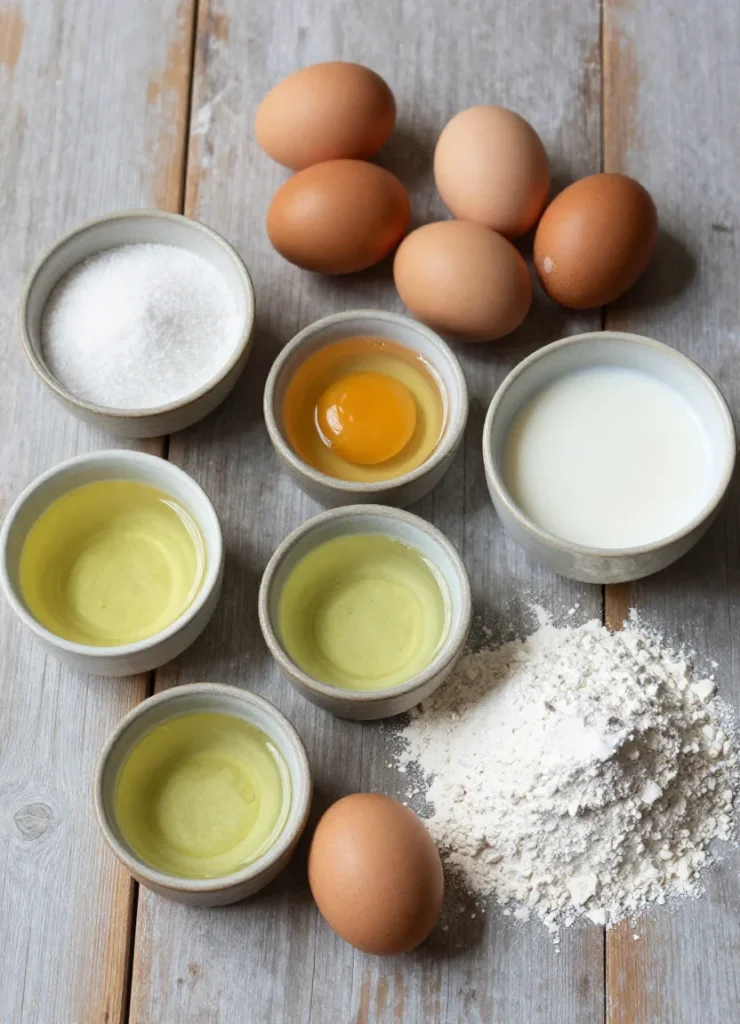
The ingredient list for Japanese Castella Cake is refreshingly short. However, the quality and temperature of these ingredients matter significantly. Let me walk you through exactly what you’ll need and why each component plays a crucial role in creating that signature tender crumb.
| Ingredient | Quantity | Notes |
|---|---|---|
| Large eggs | 6 | Room temperature works best |
| Granulated sugar | 120g (about 2/3 cup) | Divided between yolks and whites |
| Honey | 60g (about 3 tablespoons) | Mild honey like clover or acacia |
| Whole milk | 60ml (1/4 cup) | Warmed slightly |
| Vegetable oil | 50ml (about 3 tablespoons) | Neutral oil like canola |
| Cake flour | 120g (about 1 cup) | Sifted twice for maximum airiness |
The eggs create the structure and that beautiful rise. Meanwhile, honey provides moisture and that distinctive Japanese Castella Cake flavor that sets it apart from regular sponge cakes. Cake flour keeps everything tender—bread flour would make your cake too dense and chewy.
Substitutions & Variations
While I recommend following the classic Japanese Castella Cake recipe for your first attempt, you can definitely experiment once you’re comfortable with the technique. If you don’t have cake flour, you can substitute all-purpose flour, though your texture will be slightly less delicate. Simply use 105g of all-purpose flour mixed with 15g of cornstarch, sifted together three times.
For the honey, feel free to try different varieties. James loves using orange blossom honey for a floral note, while Theodore swears by buckwheat honey for a deeper, almost earthy flavor. Just avoid anything too strongly flavored that might overpower the delicate cake.
You can also add a teaspoon of vanilla extract or a tablespoon of matcha powder for variation. Some bakers fold in a bit of lemon zest for brightness. However, keep in mind that adding too many mix-ins can weigh down your batter and affect that signature bouncy texture of Japanese Castella Cake.
Step-by-Step Instructions
Making Japanese Castella Cake requires attention to detail, but don’t let that scare you. I’ve broken down every step so you’ll know exactly what to expect. The key is patience—rushing through the folding or skipping the water bath will compromise your results.
Step 1: Preheat your oven to 320°F (160°C). Line an 8-inch square baking pan with parchment paper, making sure it extends up the sides. This helps you lift the Japanese Castella Cake out cleanly later.
Step 2: Separate your eggs carefully. Place the whites in a large, spotlessly clean bowl and the yolks in another bowl. Even a tiny bit of yolk in the whites will prevent them from whipping properly.
Step 3: Warm the milk and oil together gently—I just microwave them for about 20 seconds. Mix in the honey until it dissolves completely. Set this mixture aside to cool slightly while you work on the eggs.
Step 4: Beat the egg yolks with 40g of the sugar until they turn pale and thick, about 3-4 minutes. The mixture should fall in ribbons from your whisk. This incorporation of air is crucial for Japanese Castella Cake’s texture.
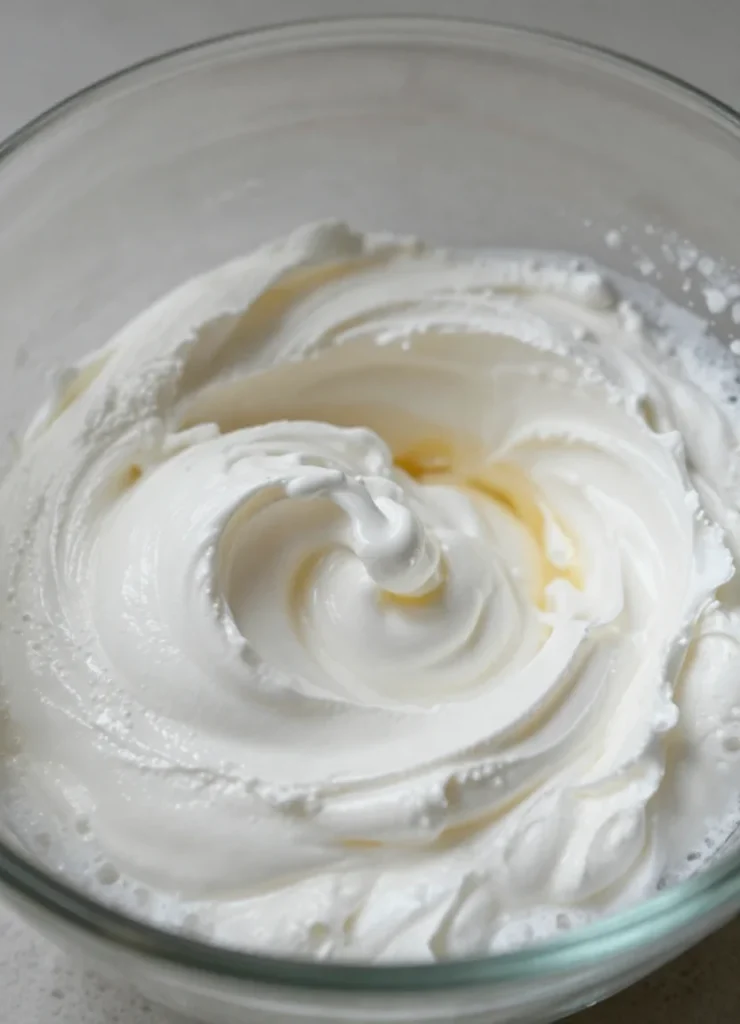
Step 5: In your clean bowl, whip the egg whites with an electric mixer on medium speed. When they start getting foamy, gradually add the remaining 80g of sugar. Increase speed to high and beat until you achieve soft peaks—they should curl over gently when you lift the whisk.
Step 6: Fold one-third of the egg whites into the yolk mixture gently. This lightens the yolks and makes the next step easier. Use a rubber spatula and cut down through the center, then sweep along the bottom and up the side. Rotate the bowl as you work.
Step 7: Sift half the cake flour over the mixture and fold gently. Add the remaining flour and fold again. Don’t overmix—a few small lumps are fine. Overmixing deflates the air you’ve worked so hard to incorporate.
Step 8: Add the milk-honey-oil mixture and fold until just combined. The batter should be smooth and fluffy, with no streaks.
Step 9: Pour the batter into your prepared pan from a height of about 6 inches. This helps remove large air bubbles. Tap the pan firmly on the counter three or four times to release any remaining bubbles.
Step 10: Place your pan into a larger roasting pan. Fill the outer pan with hot water until it reaches halfway up the sides of your cake pan. This water bath ensures even, gentle heat for that perfect Japanese Castella Cake texture.
Step 11: Bake for 50-60 minutes. The top should be golden brown and spring back when touched lightly. A skewer inserted into the center should come out clean.
Step 12: Remove from the oven and immediately drop the pan from about 6 inches onto the counter. This prevents the cake from shrinking too much. Let it cool in the pan for 10 minutes, then lift out using the parchment paper and cool completely on a wire rack.
Pro Tips for Success
After making Japanese Castella Cake dozens of times, I’ve learned several tricks that make a real difference. First, room temperature eggs whip up much better than cold ones. If you forget to take them out ahead of time, place them in a bowl of warm water for five minutes.
Second, resist opening the oven door during baking. I know it’s tempting, but the temperature drop can cause your Japanese Castella Cake to collapse. If you must check, wait until at least 45 minutes have passed.
Third, the water bath is non-negotiable. James tried baking without it once, and the cake cracked terribly on top while the inside stayed underdone. The water moderates the temperature and keeps everything moist.
Additionally, sift your flour multiple times. This seems fussy, but it aerates the flour and prevents lumps that would create a dense texture. For Japanese Castella Cake, we’re chasing maximum lightness.
Finally, let your cake rest overnight before slicing if possible. It sounds counterintuitive, but Japanese Castella Cake actually tastes better the next day. The texture settles beautifully, and the flavors meld together.
Storage & Reheating Tips
Japanese Castella Cake stays incredibly moist for several days when stored properly. Wrap it tightly in plastic wrap, making sure no air can get in. It will keep at room temperature for 3 days or refrigerated for up to a week.
Interestingly, this cake is delicious cold, at room temperature, or gently warmed. Theodore likes to microwave individual slices for just 10 seconds to bring back that fresh-from-the-oven softness. You can also wrap slices in foil and warm them in a 300°F oven for about 5 minutes.
For longer storage, Japanese Castella Cake freezes beautifully. Slice it first, then wrap individual pieces in plastic wrap and place them in a freezer bag. Frozen slices keep for up to 3 months. Thaw at room temperature for about an hour before serving.
What to Serve With This Recipe
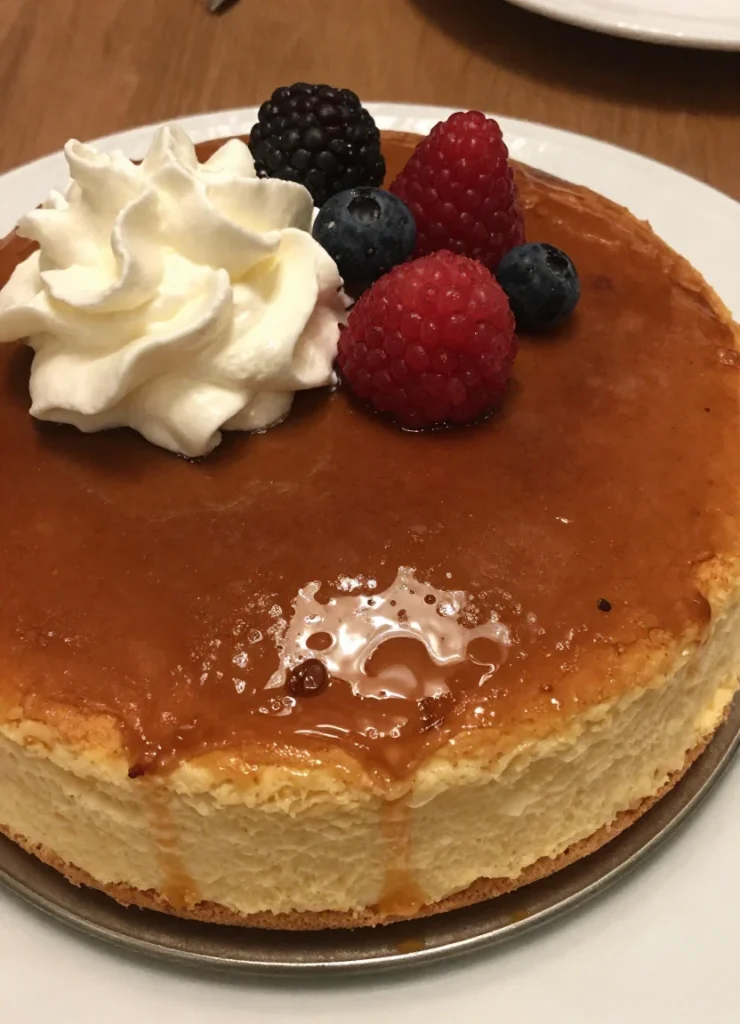
Japanese Castella Cake shines on its own with a simple cup of green tea or coffee, but it also pairs wonderfully with various accompaniments. I love serving it with fresh berries and a small dollop of lightly sweetened whipped cream. The tartness of the berries cuts through the honey sweetness perfectly.
For a more traditional Japanese presentation, serve your Japanese Castella Cake with matcha tea and perhaps some fresh fruit like persimmons or Asian pears. James sometimes serves it alongside miso ice cream for an unexpected but delightful combination.
This cake also works beautifully as part of a larger dessert spread. It complements custards, fruit tarts, and light mousses without competing for attention. During the holidays, Theodore sometimes serves Japanese Castella Cake with spiced poached pears.
For breakfast or brunch, try it with butter and jam, almost like fancy toast. The honey flavor pairs especially well with strawberry or apricot preserves.
FAQs
Why did my Japanese Castella Cake sink in the middle?
Several factors can cause sinking. Most commonly, underbaking is the culprit—the structure hasn’t set enough to support itself. Additionally, opening the oven door too early or not using a water bath can cause temperature fluctuations that lead to collapse. Make sure you’re beating the egg whites to proper soft peaks, not stiff peaks, which can also cause structural issues.
Can I make Japanese Castella Cake without a water bath?
Technically yes, but I strongly advise against it. The water bath provides gentle, even heat that’s essential for that characteristic tender, moist texture. Without it, your Japanese Castella Cake will likely crack on top, brown too quickly, and have a drier, tougher texture. The extra effort is truly worth it.
What’s the difference between Castella Cake and regular sponge cake?
Japanese Castella Cake uses more eggs and incorporates honey, giving it a denser, moister texture than typical sponge cakes. It’s also traditionally baked in a water bath, which creates that signature tender crumb. Regular sponge cakes tend to be drier and more delicate, while Japanese Castella Cake has a sturdy yet soft texture that holds up beautifully.
Do I have to use cake flour for Japanese Castella Cake?
Cake flour produces the best results because of its lower protein content, which keeps the texture tender. However, you can substitute all-purpose flour mixed with cornstarch as mentioned in the substitutions section. The texture will be slightly less delicate but still delicious. Just avoid bread flour entirely—it has too much protein and will make your cake tough.
How do I know when my Japanese Castella Cake is done?
Your Japanese Castella Cake is ready when the top is deep golden brown and springs back when gently pressed. A skewer inserted into the center should come out clean or with just a few moist crumbs. The edges should pull away slightly from the pan. Most importantly, the cake should feel firm when gently shaken, not jiggly in the center.
Nutrition Information (per serving)
Based on 12 servings:
| Nutrient | Amount |
|---|---|
| Calories | 165 |
| Total Fat | 7g |
| Saturated Fat | 2g |
| Cholesterol | 95mg |
| Sodium | 35mg |
| Total Carbohydrates | 21g |
| Sugars | 14g |
| Protein | 5g |
This Japanese Castella Cake recipe represents one of my favorite baking adventures. It challenges you just enough to feel accomplished without being impossible. Every time I pull one from the oven and see that beautiful golden top, I remember why I fell in love with cooking in the first place—the magic of transforming simple ingredients into something genuinely special.
Give it a try, take your time with the technique, and don’t worry if your first attempt isn’t perfect. Mine certainly wasn’t, but that didn’t stop me from making it again the very next day.
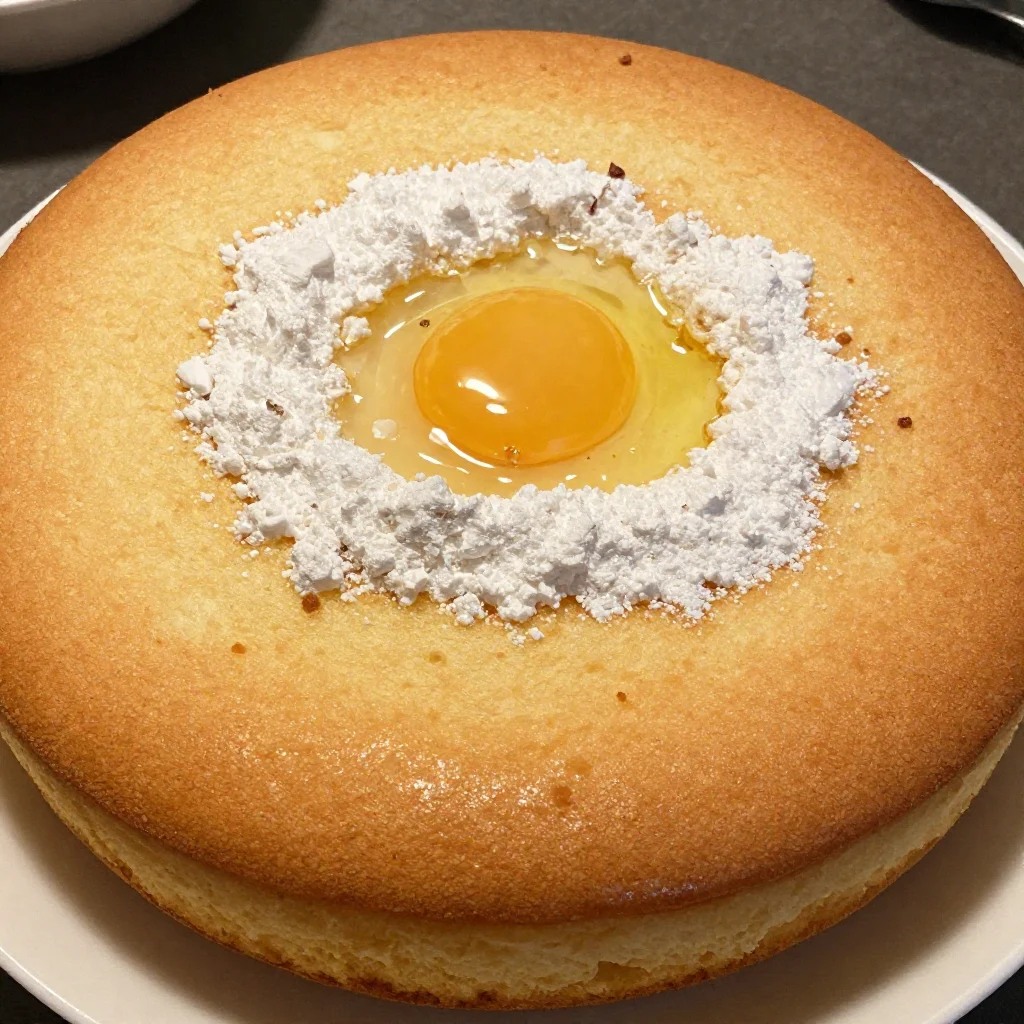
Japanese Castella Cake
Ingredients
Method
- Preheat your oven to 320°F (160°C). Line an 8-inch square baking pan with parchment paper.
- Separate the eggs, placing the whites in a clean bowl and the yolks in another.
- Warm the milk and oil together, then mix in the honey until dissolved.
- Beat the egg yolks with 40g of sugar until pale and thick.
- Whip the egg whites, gradually adding the remaining sugar until soft peaks form.
- Fold one-third of the egg whites into the yolk mixture, then sift in half the cake flour and fold gently.
- Add the remaining flour and fold again, then add the milk-honey-oil mixture and fold until smooth.
- Pour the batter into the prepared pan and tap to release air bubbles.
- Place the pan in a larger roasting pan and fill with hot water halfway up the sides.
- Bake for 50-60 minutes until golden brown and a skewer comes out clean.
- Drop the pan from 6 inches onto the counter to prevent shrinking, then cool in the pan for 10 minutes before transferring to a wire rack.