No Oven Egg Bread
Last summer, our apartment’s oven decided to quit right before Theodore’s birthday brunch. I’d promised homemade bread, guests were arriving in two hours, and I stood there staring at my dead oven like it had personally betrayed me. That’s when James casually mentioned a stovetop bread his culinary school roommate used to make.
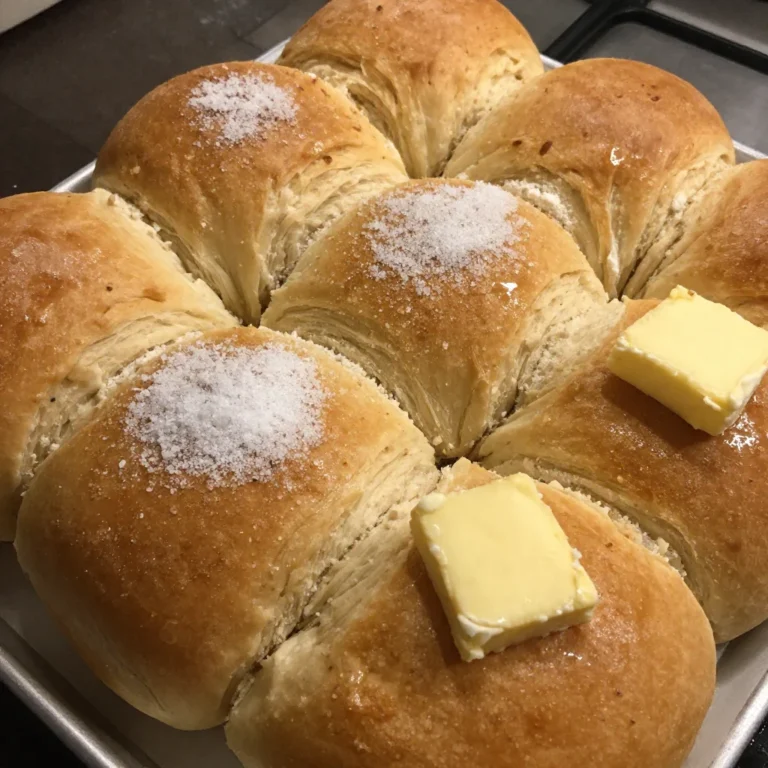
Desperate times, right? We threw together what became our first No Oven Egg Bread, and honestly, it saved the day. The golden, fluffy result had everyone asking for the recipe. Since then, this No Oven Egg Bread has become my go-to whenever I want fresh bread without heating up the whole kitchen—or when my oven’s acting temperamental.
This simple stovetop bread relies on eggs for richness and structure, creating a tender crumb that rivals any traditional loaf. No Oven Egg Bread cooks entirely on your stovetop in a covered pan, making it perfect for hot summer days, small kitchens, or anyone without oven access. The method might sound unusual at first, but I promise it works beautifully.
You’ll get a slightly dense yet soft texture with a gorgeous golden exterior. My brothers and I have made countless batches at Recipep.com, tweaking the recipe until it became absolutely foolproof.
Why You’ll Love This No Oven Egg Bread Recipe
First off, this No Oven Egg Bread solves so many kitchen challenges. No working oven? No problem.
Don’t want to heat your house in August? Perfect solution. Need bread fast without the long rising times? This delivers.
The ingredient list stays refreshingly short—stuff you probably have right now. Furthermore, the entire process takes about 30 minutes from start to finish. Theodore, who’s always watching the clock during service, appreciates recipes like this that respect your time.
Additionally, this No Oven Egg Bread tastes incredible fresh but also reheats beautifully. The eggs create a rich, almost brioche-like flavor without any fuss. Kids love it too. James tested this recipe with his girlfriend’s nephew, who typically refuses anything homemade, and the kid devoured three slices.
Best of all, you’ll feel like an absolute kitchen wizard when you pull this off. Seriously, making bread on the stovetop impresses everyone. The satisfaction of slicing into that golden loaf knowing you didn’t touch your oven? Unmatched.
Ingredients You’ll Need
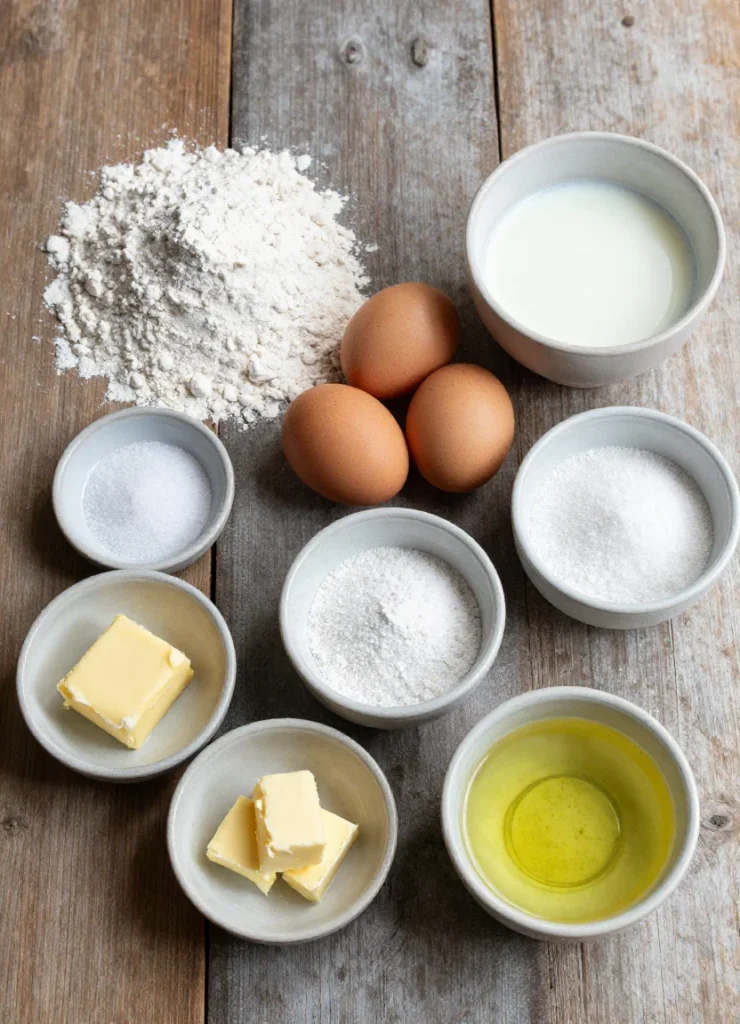
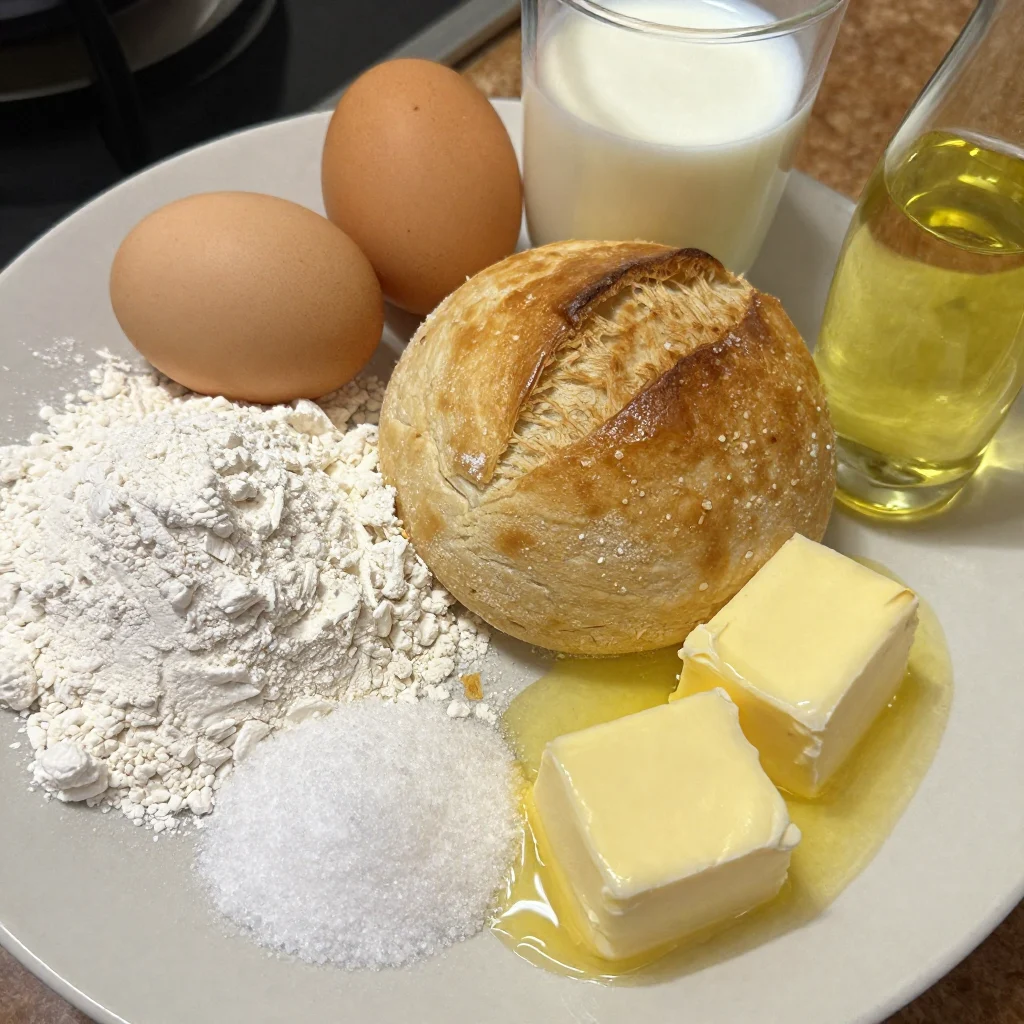
Gathering your ingredients takes just minutes. Here’s everything for this No Oven Egg Bread:
| Ingredient | Amount |
|---|---|
| All-purpose flour | 2 cups |
| Large eggs | 3 |
| Whole milk | 1/2 cup |
| Granulated sugar | 2 tablespoons |
| Baking powder | 2 teaspoons |
| Salt | 1/2 teaspoon |
| Melted butter | 3 tablespoons |
| Vegetable oil for pan | 1 tablespoon |
The eggs do heavy lifting here, providing both structure and moisture. Meanwhile, the milk adds tenderness, and the butter brings richness. I always use full-fat milk for best results, though lower-fat versions work in a pinch.
Substitutions & Variations
This No Oven Egg Bread adapts easily to what’s in your pantry. Swap whole milk for any milk you prefer—almond, oat, or even buttermilk create slightly different textures. Buttermilk, particularly, adds a subtle tang that Theodore loves.
For a savory version of No Oven Egg Bread, skip the sugar and add shredded cheese, chopped herbs, or minced garlic. James makes a cheddar-chive variation that’s absolutely addictive with soup.
You can substitute half the all-purpose flour with whole wheat flour for added nutrition. However, the texture becomes denser, so I don’t recommend going beyond half. Additionally, melted coconut oil works instead of butter for dairy-free needs.
Sweetening it up? Add a teaspoon of vanilla extract or fold in chocolate chips, dried fruit, or cinnamon sugar. The base recipe stays forgiving enough for experimentation.
Step-by-Step Instructions
Making this No Oven Egg Bread follows a straightforward process. Even beginners succeed here.
Step 1: Whisk together flour, baking powder, salt, and sugar in a large bowl. This ensures even distribution of leavening agents throughout your No Oven Egg Bread.
Step 2: In a separate bowl, beat the eggs thoroughly. Add milk and melted butter, whisking until completely combined. The mixture should look smooth and uniform.
Step 3: Pour wet ingredients into dry ingredients. Stir gently until just combined—some lumps are perfectly fine. Overmixing develops gluten and makes your No Oven Egg Bread tough. Theodore always reminds me that a few lumps mean tender bread.
Step 4: Heat a large, deep skillet or pot over low heat. Add oil and swirl to coat the bottom. Low heat is crucial—this bread cooks slowly and gently.
Step 5: Pour batter into the prepared pan. Smooth the top with a spatula. Cover tightly with a lid.
Step 6: Cook for 20-25 minutes on low heat without lifting the lid. Resist peeking! The trapped steam helps cook your No Oven Egg Bread through.
Step 7: After 20 minutes, quickly check doneness. Insert a toothpick into the center—it should come out clean or with just a few crumbs. If needed, cover and cook another 3-5 minutes.
Step 8: Once cooked, carefully flip the bread onto a plate, then flip again onto a cooling rack. Let it cool at least 10 minutes before slicing your No Oven Egg Bread.
Making this No Oven Egg Bread follows a straightforward process. If you’re looking for another easy recipe to try, check out our Cheesy Taco Pasta, which is perfect for beginners and packed with flavor.
Pro Tips for Success
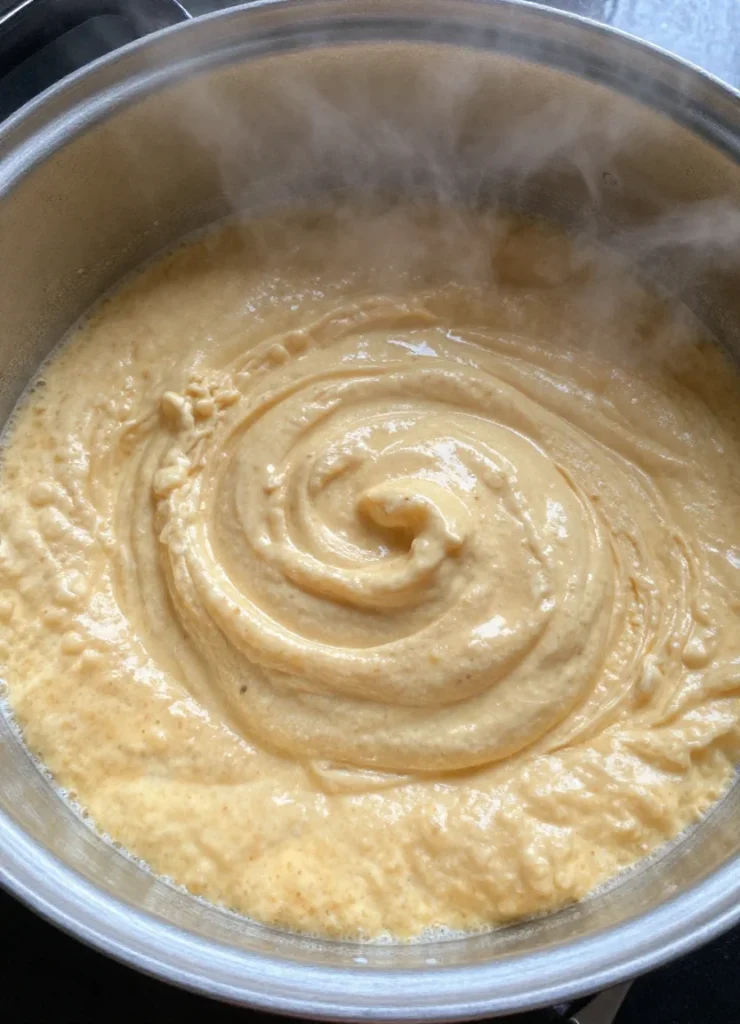
After making this No Oven Egg Bread dozens of times, I’ve learned some tricks. First, always use low heat. High heat burns the bottom while leaving the center raw. Patience wins here.
Second, don’t skip the lid. The cover traps steam that cooks the top of your No Oven Egg Bread. Without it, you’ll have a wet, undercooked surface.
Third, choose the right pan. I prefer a 10-inch nonstick skillet with deep sides. Cast iron works too but requires closer attention to prevent burning. Make sure whatever pan you use has a tight-fitting lid.
Fourth, let your melted butter cool slightly before adding to eggs. Hot butter can scramble the eggs, creating an unpleasant texture in your No Oven Egg Bread.
Fifth, measure flour correctly by spooning it into measuring cups and leveling off. Scooping directly packs flour, resulting in dry, dense bread. James taught me this early in my training, and it matters tremendously.
Finally, slice with a serrated knife using a gentle sawing motion. This prevents squashing your beautiful, tender No Oven Egg Bread.
Storage & Reheating Tips
Store leftover No Oven Egg Bread wrapped tightly in plastic wrap or in an airtight container at room temperature for up to two days. The bread stays surprisingly moist thanks to the eggs.
For longer storage, refrigerate for up to five days. However, refrigeration dries it out slightly. Consequently, I recommend toasting refrigerated slices to refresh them.
You can freeze No Oven Egg Bread for up to three months. Slice before freezing so you can grab individual pieces. Wrap slices in plastic wrap, then place in a freezer bag.
Reheat slices in a toaster or dry skillet over medium heat for about two minutes per side. The exterior crisps up beautifully while the inside warms through. Alternatively, microwave for 15-20 seconds, though this creates a softer texture.
Store leftover No Oven Egg Bread wrapped tightly in plastic wrap or in an airtight container at room temperature for up to two days. For a delightful dessert option, consider making our Brookie Cheesecake Lasagna to enjoy alongside your bread.
What to Serve With This Recipe
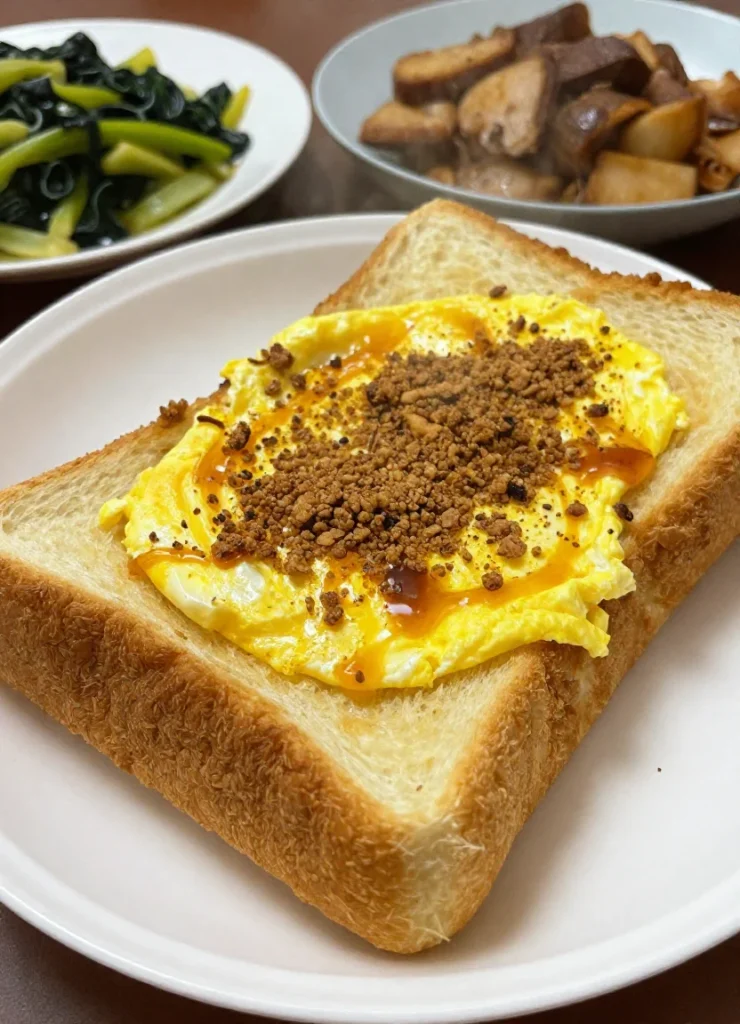
This versatile No Oven Egg Bread pairs wonderfully with both sweet and savory dishes. For breakfast, I love it toasted with butter and jam. The slight sweetness complements fruit preserves perfectly.
Theodore serves his No Oven Egg Bread alongside scrambled eggs and bacon for a complete breakfast spread. The bread soaks up runny yolks beautifully.
For lunch, use it for sandwiches. The sturdy texture holds up to fillings without falling apart. James makes incredible grilled cheese with this bread—the eggs in the dough create an extra-rich result.
Dinner options abound too. Serve slices with soup, chili, or stew. The bread’s subtle sweetness balances spicy dishes nicely. Additionally, it works as a side for roasted chicken or grilled vegetables.
Don’t overlook dessert applications either. Toast slices and top with cream cheese and fresh berries, or make French toast for an indulgent breakfast-for-dinner situation.
FAQs
Can I make No Oven Egg Bread without eggs?
Unfortunately, eggs provide essential structure in this recipe. You could try flax eggs or commercial egg replacers, but I haven’t tested these substitutions personally. The texture will definitely change significantly since eggs are the star ingredient in No Oven Egg Bread.
Why is my No Oven Egg Bread raw in the middle?
This usually means your heat was too high, cooking the outside too quickly. Lower your heat and extend cooking time. Additionally, ensure your lid fits tightly to trap steam. Finally, avoid making the bread too thick—keep it under 2 inches for even cooking.
Can I double this No Oven Egg Bread recipe?
I recommend making two separate batches rather than doubling in one pan. A thicker loaf won’t cook through properly on the stovetop. However, you can double the batter and cook it in two pans simultaneously if you have the burner space.
How do I know when my No Oven Egg Bread is done?
Insert a toothpick or thin knife into the center. It should come out clean or with just a few moist crumbs. Additionally, the bread should spring back when gently pressed. The edges will pull away slightly from the pan sides when fully cooked.
Can I add toppings to No Oven Egg Bread before cooking?
Yes! Sprinkle seeds, oats, or cheese on top right after pouring batter into the pan. However, these toppings won’t brown since the top cooks via steam rather than direct heat. For golden toppings, briefly run the finished bread under your broiler if desired.
No Oven Egg Bread is a unique recipe that allows you to create delicious bread without the need for an oven, making it ideal for those with limited kitchen appliances. This method utilizes stovetop cooking to achieve a fluffy and rich texture, similar to traditional bread, and can be a great addition to your culinary repertoire, as detailed in this bread article.
Nutrition Information (per serving)
This recipe yields approximately 8 servings. Each slice of No Oven Egg Bread contains roughly:
| Nutrient | Amount |
|---|---|
| Calories | 185 |
| Total Fat | 7g |
| Saturated Fat | 3g |
| Cholesterol | 75mg |
| Sodium | 220mg |
| Total Carbohydrates | 24g |
| Dietary Fiber | 1g |
| Sugars | 4g |
| Protein | 6g |
This No Oven Egg Bread provides decent protein from the eggs while remaining relatively moderate in calories. The nutrition values may vary based on specific ingredients and portion sizes you choose.
No Oven Egg Bread
Ingredients
Method
- Whisk together flour, baking powder, salt, and sugar in a large bowl.
- In a separate bowl, beat the eggs thoroughly. Add milk and melted butter, whisking until completely combined.
- Pour wet ingredients into dry ingredients. Stir gently until just combined.
- Heat a large, deep skillet or pot over low heat. Add oil and swirl to coat the bottom.
- Pour batter into the prepared pan. Smooth the top with a spatula. Cover tightly with a lid.
- Cook for 20-25 minutes on low heat without lifting the lid.
- After 20 minutes, quickly check doneness with a toothpick.
- Once cooked, carefully flip the bread onto a plate, then flip again onto a cooling rack.