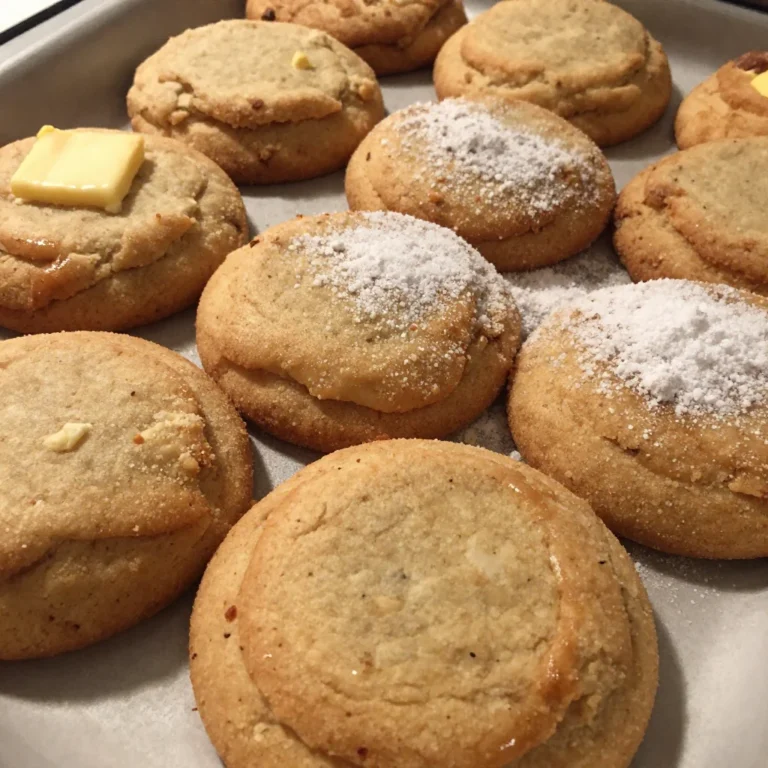
Classic Shortbread Cookies
I’ll never forget the first time I completely butchered a batch of shortbread. I was nineteen, fresh out of culinary school, and convinced I knew everything. I overworked the dough until it turned tough as shoe leather.
My brothers still bring it up at family dinners. That humbling experience taught me that Classic Shortbread Cookies demand respect—they’re simple, but they’re not forgiving. Since then, I’ve made countless batches, and I can promise you this: once you understand the gentle touch these cookies need, you’ll turn out perfect Classic Shortbread Cookies every single time.
These buttery, crumbly treats have been a staple in Scottish baking for centuries, and there’s a reason they’ve stood the test of time. With just a handful of ingredients and a little patience, you’ll create something magical.
Why You’ll Love These Classic Shortbread Cookies
Classic Shortbread Cookies are unlike any other cookie you’ll make. First, they require only three basic ingredients—butter, sugar, and flour. No eggs, no leavening agents, no complicated techniques.
Second, their texture is absolutely unique: crumbly yet sturdy, melt-in-your-mouth yet satisfying. Third, they’re incredibly versatile. You can dress them up for holidays or keep them plain for everyday treats.
Additionally, Classic Shortbread Cookies are surprisingly foolproof once you learn the basic rules. They don’t spread much during baking, so they hold their shape beautifully. They also store exceptionally well, making them perfect for gift-giving or meal prep. Furthermore, their subtle sweetness and rich butter flavor pair wonderfully with coffee, tea, or even a glass of cold milk.
My brother Theodore swears by these for client events at our restaurant. James, meanwhile, adds them to dessert boards constantly. They’re elegant, timeless, and always impressive.
Ingredients You’ll Need
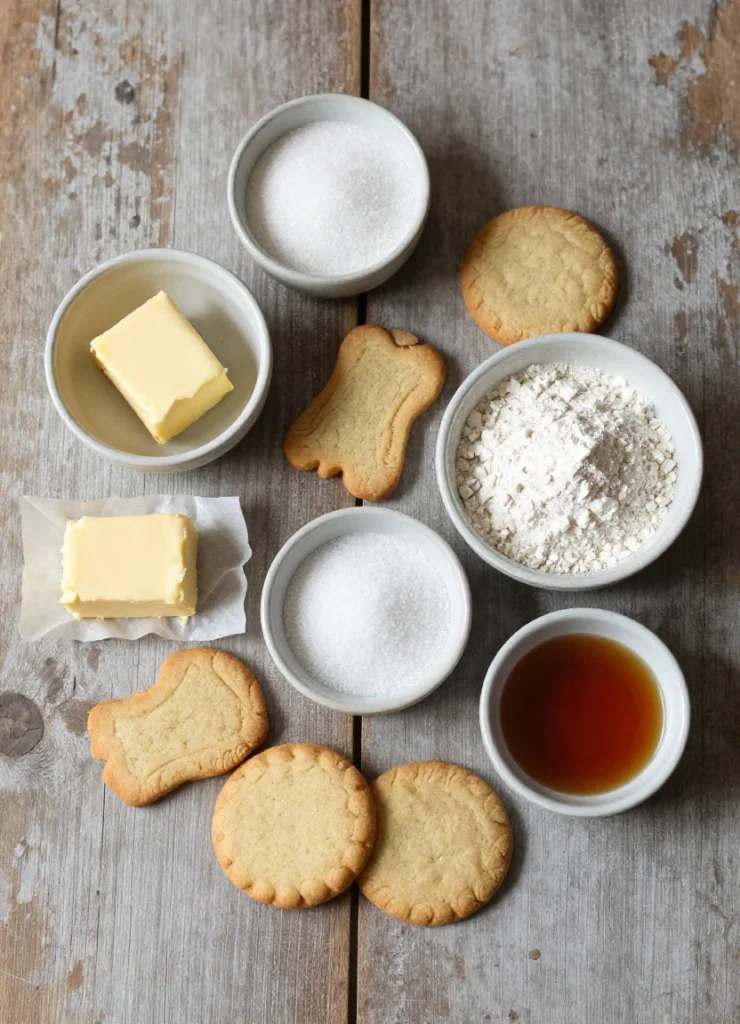
The beauty of Classic Shortbread Cookies lies in their simplicity. However, quality matters tremendously here. Since you’re working with so few ingredients, each one shines through in the final product.
| Ingredient | Amount | Notes |
|---|---|---|
| Unsalted butter | 1 cup (2 sticks) | Room temperature, high-quality preferred |
| Granulated sugar | ½ cup | Plus extra for sprinkling |
| All-purpose flour | 2 cups | Spooned and leveled, not packed |
| Salt | ¼ teaspoon | Enhances butter flavor |
| Vanilla extract | 1 teaspoon | Optional but recommended |
Use European-style butter if you can find it. The higher fat content creates an even richer, more tender shortbread. I always keep a few pounds in my freezer specifically for Classic Shortbread Cookies.
Substitutions & Variations
While traditional Classic Shortbread Cookies are perfection on their own, sometimes you want to experiment. I encourage creativity once you’ve mastered the basic recipe.
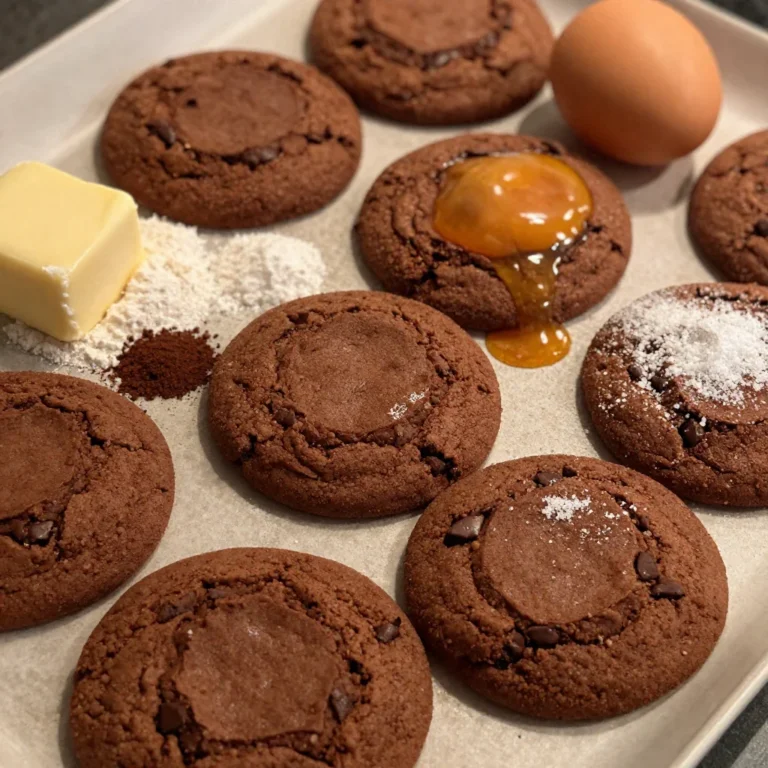
For a different flavor profile, substitute half the all-purpose flour with rice flour. This creates an even more delicate, crumbly texture. Alternatively, add one tablespoon of cornstarch to achieve similar results. For chocolate lovers, replace ¼ cup of flour with Dutch-process cocoa powder.
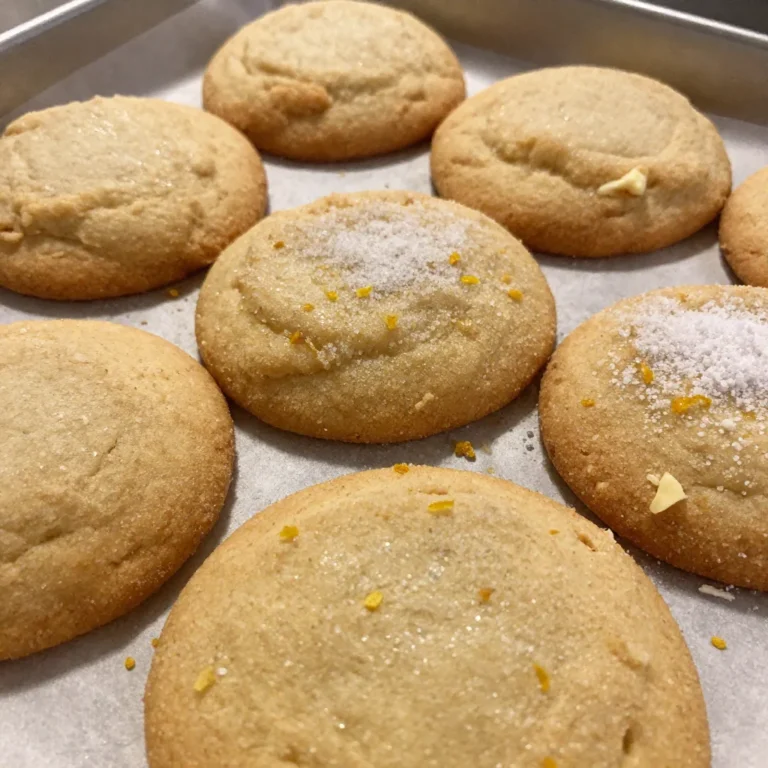
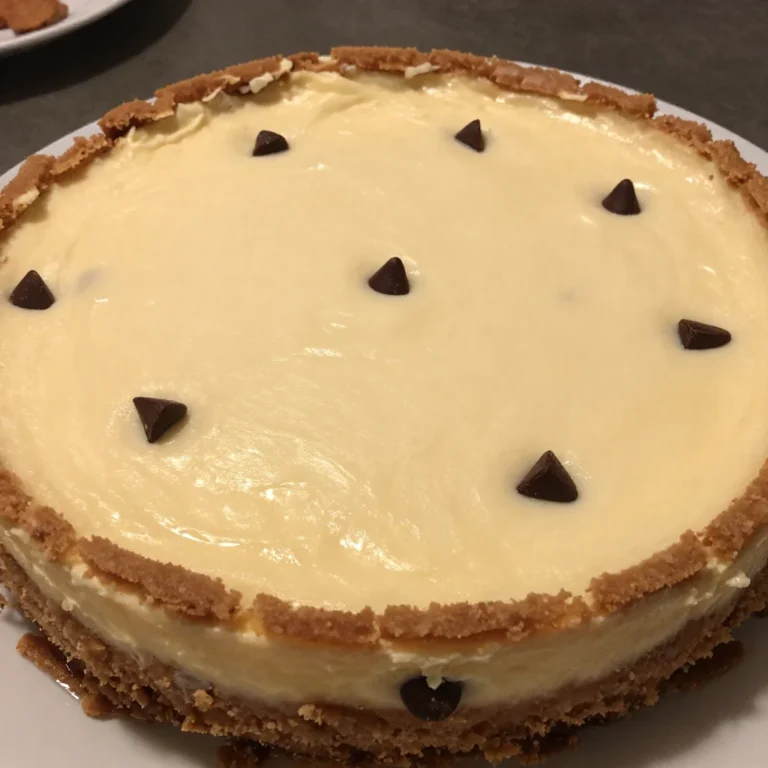
Consider these variations for your Classic Shortbread Cookies: add the zest of one lemon for citrus brightness, fold in ½ cup of mini chocolate chips, or incorporate 2 tablespoons of finely chopped fresh lavender for an elegant twist. You can also press the dough into a tart pan and bake it as one large shortbread round, then cut it into wedges.
For holidays, dip half of each baked cookie into melted dark chocolate. Sprinkle with flaky sea salt immediately. James does this every Christmas, and they disappear within minutes.
Step-by-Step Instructions
Making Classic Shortbread Cookies requires attention but not stress. Follow these steps carefully, and you’ll achieve bakery-quality results.
Step 1: Preheat your oven to 325°F. Line two baking sheets with parchment paper. Don’t skip the parchment—it prevents sticking and ensures even browning.
Step 2: In a large bowl, beat the room-temperature butter and sugar together until just combined. Don’t overbeat here. You want the mixture smooth and creamy, not fluffy and aerated. This takes about one minute with a hand mixer or wooden spoon.
Step 3: Add the vanilla extract and salt. Mix briefly to incorporate.
Step 4: Add the flour all at once. Here’s where most people make mistakes with Classic Shortbread Cookies. Mix gently until the dough just comes together.
Stop immediately when you no longer see dry flour. Overworking develops gluten, which creates tough cookies instead of tender ones.
Step 5: Turn the dough onto a lightly floured surface. Gently pat it into a disk about ¾ inch thick. Use a cookie cutter to cut shapes, or slice into rectangles with a sharp knife. Alternatively, roll the dough into a log, chill it, and slice coins.
Step 6: Transfer cookies to prepared baking sheets, spacing them about one inch apart. Prick each cookie several times with a fork. This traditional step isn’t just decorative—it prevents air bubbles during baking.
Step 7: Sprinkle the tops lightly with granulated sugar. Bake for 18-22 minutes until the edges turn barely golden. The centers should still look pale. Classic Shortbread Cookies firm up as they cool, so don’t overbake.
Step 8: Let cookies cool on the baking sheet for five minutes, then transfer to a wire rack. They’ll be fragile when hot but will firm up beautifully.
Making Classic Shortbread Cookies requires attention but not stress. For a delicious twist on your meal, check out our Cheesy Taco Pasta that’s sure to please.
Pro Tips for Success
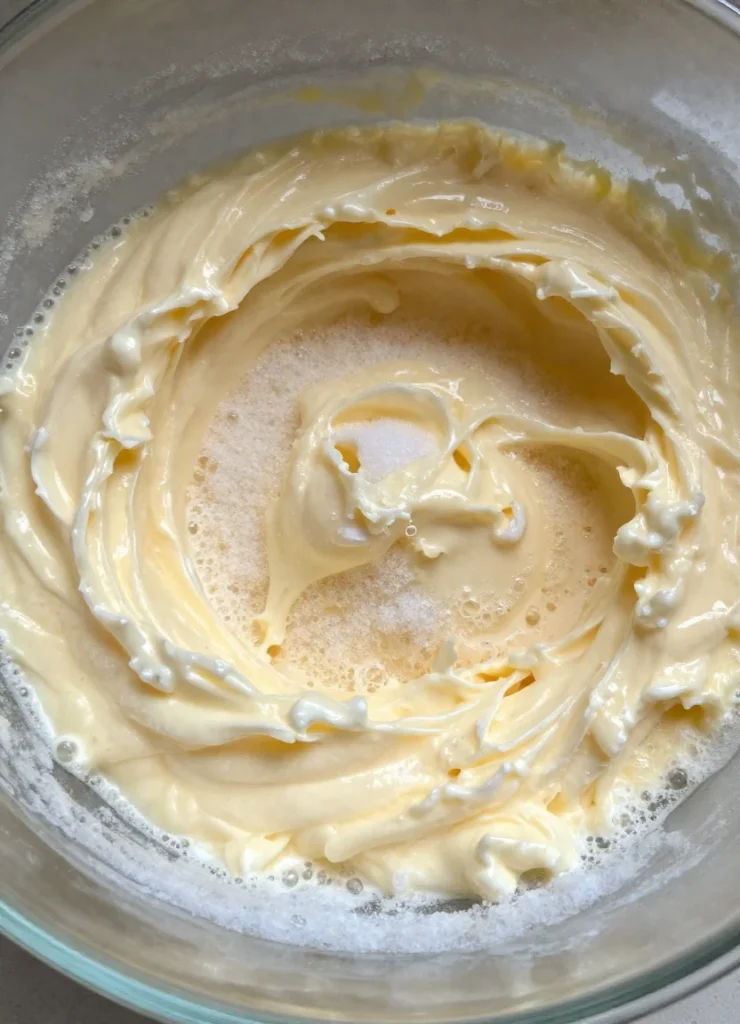
After making Classic Shortbread Cookies hundreds of times, I’ve learned several tricks that make a real difference.
First, temperature matters enormously. Your butter should be soft enough to cream easily but not greasy or melted. I leave mine out for about 45 minutes before starting.
Second, measure flour correctly by spooning it into your measuring cup and leveling it off. Scooping directly from the bag packs in too much flour, creating dry, crumbly Classic Shortbread Cookies.
Third, handle the dough minimally. Think of it like pie crust—the less you work it, the more tender your results. Fourth, chill the dough if your kitchen is warm.
Warm dough spreads too much and loses its shape. Pop it in the refrigerator for 15-20 minutes if needed.
Fifth, watch your oven temperature carefully. Shortbread bakes at a lower temperature than most cookies. An oven thermometer ensures accuracy. Theodore always says that Classic Shortbread Cookies should “kiss the heat,” not embrace it fully.
Finally, resist the urge to remove them too early. They should have a hint of golden color around the edges. Completely pale cookies taste raw and doughy.
Storage & Reheating Tips
Classic Shortbread Cookies store exceptionally well, which makes them perfect for advance preparation.
Store cooled cookies in an airtight container at room temperature for up to two weeks. Layer them with parchment paper to prevent sticking. They actually improve slightly after a day or two as the flavors meld and the texture settles.
For longer storage, freeze Classic Shortbread Cookies for up to three months. Place them in a freezer-safe container with parchment between layers. Thaw at room temperature for about 30 minutes before serving.
Alternatively, freeze the unbaked dough. Shape it into a log, wrap tightly in plastic wrap, then foil. Slice and bake directly from frozen, adding two extra minutes to the baking time.
Reheating isn’t typically necessary, but if you want warm Classic Shortbread Cookies, place them in a 300°F oven for 3-5 minutes. They’ll taste freshly baked.
Classic Shortbread Cookies store exceptionally well, which makes them perfect for advance preparation. If you’re looking for another delightful dish to prepare ahead, try our Creamy Grape Salad.
What to Serve With This Recipe
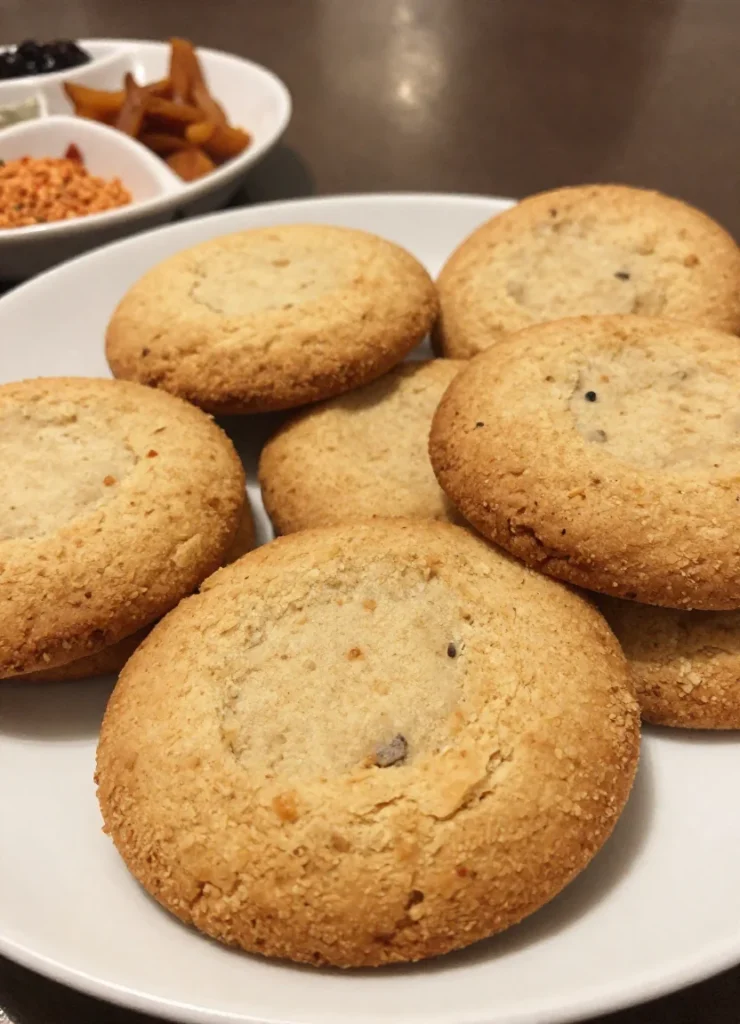
Classic Shortbread Cookies shine in numerous serving situations. They’re wonderful alongside afternoon tea or coffee, naturally. However, they also complement desserts beautifully.
Serve them with fresh berries and whipped cream for an elegant yet simple dessert. Crumble them over ice cream sundaes for added texture. Use them as the base for strawberry shortcake or as a topping for fruit crisps. They also pair wonderfully with chocolate mousse, lemon curd, or vanilla panna cotta.
For breakfast or brunch, arrange Classic Shortbread Cookies on a platter with fresh fruit, yogurt, and preserves. They’re also fantastic with cheese plates—the buttery sweetness contrasts beautifully with sharp cheddar or creamy brie.
During holidays, package them in decorative tins with tissue paper. They make thoughtful, delicious gifts that everyone appreciates. I give them to neighbors, mail carriers, and teachers every December.
FAQs
Why did my shortbread spread too much?
Your butter was likely too soft or melted. Classic Shortbread Cookies need firm butter to maintain their shape. Additionally, your kitchen might be too warm. Chill the shaped dough for 15 minutes before baking next time.
Can I use salted butter for Classic Shortbread Cookies?
Yes, but omit the additional salt from the recipe. I prefer unsalted butter because it gives you better control over the final flavor. Salted butter varies significantly between brands.
Why are my cookies tough instead of crumbly?
You overmixed the dough, which developed too much gluten. Mix only until the flour disappears. Handle the dough gently and minimally. This is the most common mistake people make with Classic Shortbread Cookies.
How do I know when shortbread is done baking?
Look for barely golden edges while the centers remain pale. Classic Shortbread Cookies shouldn’t brown significantly. They continue cooking slightly on the hot pan after removal from the oven, so slight underbaking is better than overbaking.
Can I make these cookies ahead of time?
Absolutely. Classic Shortbread Cookies are perfect for advance preparation. Bake them up to two weeks ahead and store in an airtight container, or freeze the dough for up to three months. They’re ideal for holiday planning.
Nutrition Information (per serving)
Based on 24 cookies per batch:
| Nutrient | Amount |
|---|---|
| Calories | 110 |
| Total Fat | 7g |
| Saturated Fat | 4.5g |
| Cholesterol | 20mg |
| Sodium | 25mg |
| Total Carbohydrates | 12g |
| Sugars | 4g |
| Protein | 1g |
Classic Shortbread Cookies are a treat, not an everyday health food. However, their rich butter content provides satisfaction in small portions. Enjoy them mindfully alongside balanced meals throughout your week. They’re worth every delicious bite.
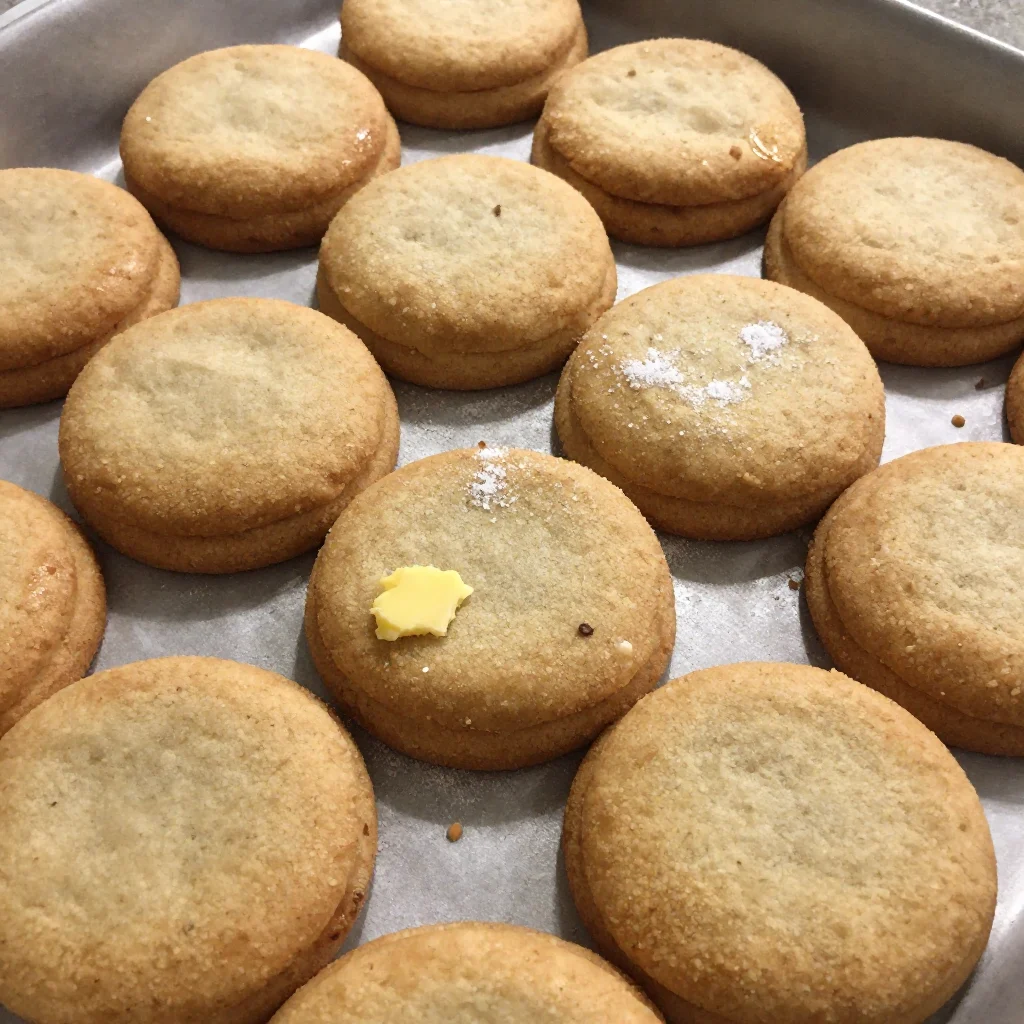
Classic Shortbread Cookies
Ingredients
Method
- Preheat your oven to 325°F. Line two baking sheets with parchment paper.
- In a large bowl, beat the room-temperature butter and sugar together until just combined.
- Add the vanilla extract and salt. Mix briefly to incorporate.
- Add the flour all at once and mix gently until the dough just comes together.
- Turn the dough onto a lightly floured surface and gently pat it into a disk about ¾ inch thick.
- Cut shapes with a cookie cutter or slice into rectangles. Transfer cookies to prepared baking sheets.
- Prick each cookie several times with a fork and sprinkle the tops lightly with granulated sugar.
- Bake for 18-22 minutes until the edges turn barely golden. Let cookies cool on the baking sheet for five minutes before transferring to a wire rack.
Notes
Classic Shortbread Cookies are buttery, crumbly treats that are simple yet require a gentle touch to achieve perfection. For a comforting meal to enjoy alongside your cookies, consider making our Homestyle Chicken Soup.
Classic Shortbread Cookies are a traditional Scottish treat known for their rich buttery flavor and crumbly texture. These cookies have been enjoyed for centuries and are often associated with celebrations and special occasions, making them a beloved choice for many cookie enthusiasts.